

OHS: Working in Clients’ Homes and Customer Premises: Safety for Mobile and Visiting Employees
Article #25 of #25 in the Occupational Health and Safety Series
Phase 2: Practical Health and Safety Topics
Introduction
Many small businesses do not do all their work from their own offices, workshops, or business premises. Instead, employees travel to customers and carry out work in homes, apartment complexes, offices, retail spaces, factories, farms, schools, medical practices, warehouses, and many other locations. This is common in South Africa across industries such as CCTV and security installation, electrical work, plumbing, cleaning services, appliance repair, IT support, pest control, maintenance, delivery, inspections, consulting, and mobile technical services. In these businesses, employees may spend much of their workday on someone else’s property rather than at their employer’s site.
This type of work creates a health and safety challenge that small businesses sometimes underestimate. A business can usually control its own workplace fairly well. It can organise the layout, inspect the premises, decide where equipment is stored, manage who enters the site, and set the rules for housekeeping and emergency procedures. But when employees work at a client’s premises, much of that control is reduced. The environment may be unfamiliar. The worker may not know the layout, the hazards, the condition of the building, the behaviour of the people present, or the rules that apply on that site. In some cases, the client’s premises may be well organised and low risk. In other cases, the worker may arrive to find a cluttered room, loose pets, poor lighting, aggressive behaviour, damaged electrical points, slippery surfaces, smoking indoors, hazardous chemicals, difficult access, or equipment that is unsafe to work on.
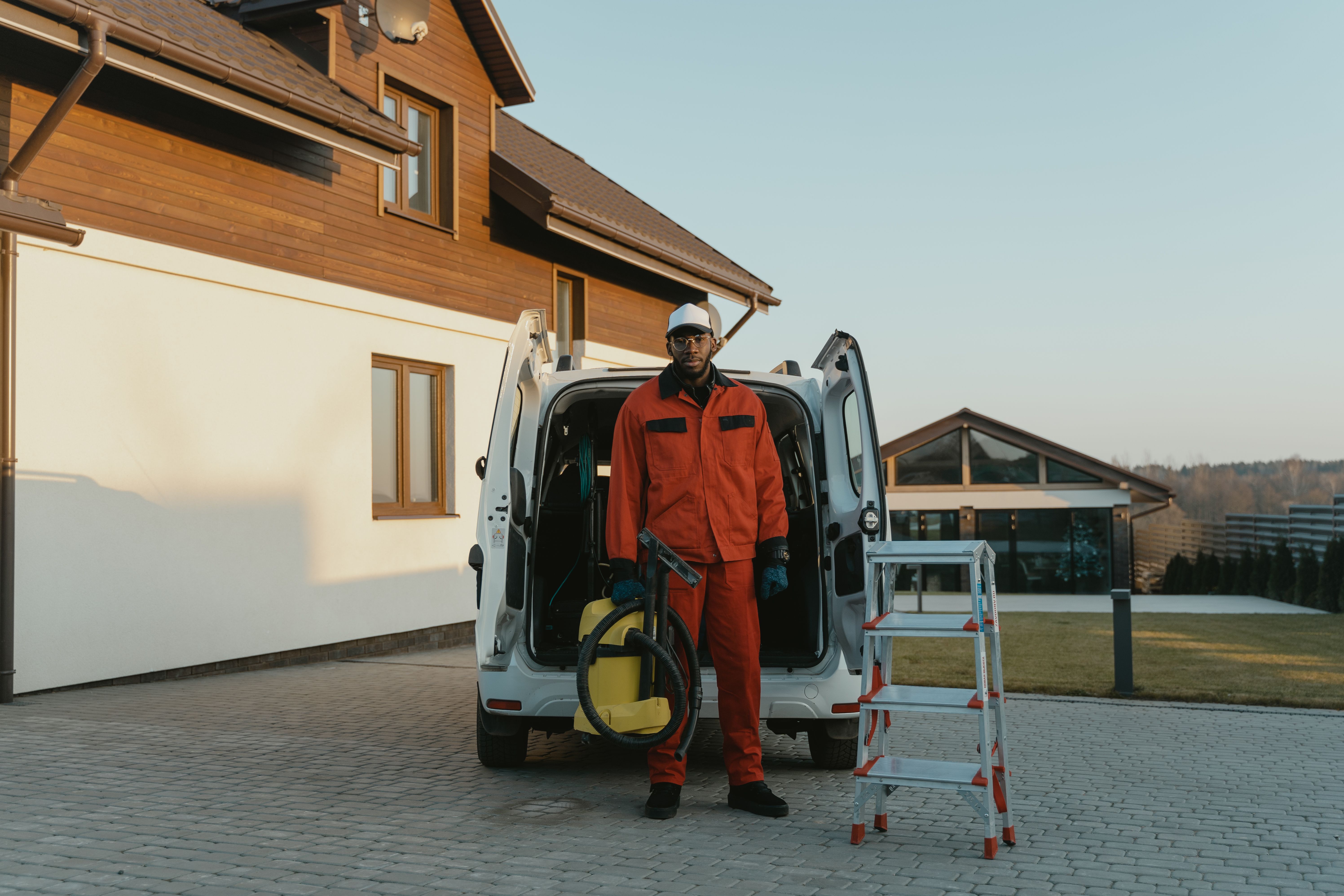
For mobile and visiting employees, the risks can vary from one location to the next. A technician might work in a neat office in the morning, a busy retail store at midday, and a private home with barking dogs and a leaking roof in the afternoon. A cleaner may be sent to an apartment with poor ventilation and strong cleaning chemicals. A delivery worker may have to carry stock up narrow stairs in a building with no lift. A CCTV installer may work on a ladder outside a customer’s house while the client’s children and pets move around nearby. An IT technician may be asked to work in a storeroom with poor lighting and overloaded extension cords. Because these environments change constantly, businesses need a practical approach to managing risk away from their own premises.
Another challenge is that customer service pressure can make workers ignore hazards they would never accept in their own workplace. Employees may feel uncomfortable telling a customer that a room is unsafe, that a ladder cannot be used on unstable ground, that the dog must be moved, or that a job needs to be delayed until an electrical problem is fixed. They may worry about losing the client, causing conflict, or appearing unhelpful. But from a health and safety perspective, the business still has a responsibility to protect its employees, even when the work takes place at someone else’s premises.
The goal is not to make off-site work impossible or overly complicated. The goal is to recognise that client premises can create additional risks and to prepare employees properly. This means thinking about access, travel, site information, customer behaviour, equipment, manual handling, lone working, emergency arrangements, and the worker’s authority to stop unsafe work. A small business that sends employees to clients without this kind of planning may be exposing them to avoidable harm.
In this article, we will look at the main health and safety risks involved when employees work in clients’ homes and customer premises, the practical questions employers should ask before sending staff off site, and the steps small businesses can take to protect mobile and visiting employees more effectively.
Why Client Premises Create Different Safety Challenges
When employees work on their employer’s own premises, the business usually has direct control over:
housekeeping standards
access routes
emergency procedures
storage of tools and materials
lighting and ventilation
equipment and electrical points
security arrangements
who is allowed on site
When employees work on a customer’s premises, that control is reduced. The business may know very little about the site before the employee arrives. Hazards may not be obvious until the job starts. The customer may not understand the risks or may expect the worker to continue in unsafe conditions. In some cases, the employee may be working alone and may need to make quick decisions without a supervisor nearby.
This makes off-site work a health and safety issue, not just a customer service or scheduling issue.
Which Small Businesses Should Pay Attention to This Risk?
This topic is relevant to many small businesses, including:
CCTV, access control, alarm, and security installation businesses
electricians, plumbers, and maintenance contractors
cleaning and hygiene service providers
IT support and networking technicians
pest control and inspection businesses
delivery and furniture installation businesses
appliance repair and servicing companies
internet, telecoms, and fibre installation teams
property maintenance and handyman services
mobile consultants, assessors, and service technicians
Any business that sends employees to a customer’s home, office, site, building, or property should think carefully about these risks.
Common Hazards at Clients’ Homes and Customer Premises
1. Unfamiliar layouts and access routes
An employee may arrive at a site they have never visited before and face:
narrow passages
steep stairs
uneven paving
poor parking access
slippery driveways or entrances
cluttered rooms
poor lighting
difficult roof or ceiling access
locked gates or restricted areas
These may seem like small issues, but they can affect manual handling, ladder use, emergency escape, and general safety.
2. Unsafe electrical conditions
A mobile worker may encounter:
damaged plug points
exposed wiring
overloaded extension leads
wet areas near electrical points
poor-quality repairs done by others
equipment that is not safe to isolate or test
Employees should never feel forced to work with unsafe electrical conditions just because the site belongs to the client.
3. Pets and animals
Working in homes and some business premises may expose employees to dogs, cats, birds, or other animals. A friendly pet can still create risk by:
biting or scratching
jumping on the worker
distracting the worker on a ladder
running through the work area
causing the employee to trip while carrying tools or materials
This is especially important where the worker is using tools, climbing, or handling electrical equipment.
4. Customer behaviour and personal safety risks
Employees working in private homes, isolated sites, or customer premises may face:
aggressive or inappropriate behaviour
smoking or substance use near the work area
harassment or intimidation
pressure to work faster or ignore hazards
being alone with strangers in an enclosed environment
This can affect not only physical safety but also personal security and emotional wellbeing.
5. Poor housekeeping and trip hazards
A worker may have to operate in areas with:
loose rugs
toys, furniture, boxes, or cables on the floor
spilled liquids
rubbish or clutter
slippery kitchen or bathroom surfaces
unstable furniture being used to reach equipment
These conditions can increase the risk of slips, trips, falls, and poor manual handling.
6. Working at height in unsuitable conditions
Employees may be asked to access ceilings, roofs, wall-mounted equipment, signs, cameras, or storage spaces using ladders in locations that were never designed for safe ladder work. The floor may be uneven, the area may be cramped, or people may keep walking through the space while the work is being done.
7. Manual handling challenges
Off-site work often includes carrying tools, stock, equipment, batteries, ladders, or materials through unfamiliar environments. The worker may have to:
carry heavy items from the vehicle to the site
lift equipment up stairs
work in narrow spaces
move around furniture or obstacles
load and unload without help
This can create a significant strain and injury risk.
8. Lack of emergency support
If something goes wrong at a client’s premises, the employee may not know:
where the nearest exit is
whether there is a first aider nearby
who to contact at the site
how to describe the location in an emergency
how quickly help could arrive
If the employee is also working alone, the risk becomes even greater.
Why Customer Service Pressure Can Create Unsafe Decisions
One of the most common problems in off-site work is that employees may feel pressure to keep the customer happy at all costs. This can lead to unsafe decisions such as:
climbing in an unsafe area because the client “just wants it done”
continuing to work near exposed wiring
ignoring a dangerous dog because the customer says it is harmless
carrying a load that is too heavy because the client expects immediate service
staying alone in a property where the worker feels unsafe
working late in poor lighting to avoid disappointing the customer
Small business owners should make it clear that safety comes before pleasing the client. A worker should not have to choose between doing the safe thing and keeping their job or protecting the business relationship.
Practical Questions to Ask Before Sending Staff to a Client Site
Where possible, the business should gather some basic information before the visit. Useful questions may include:
What type of premises is it?
Is the work indoors, outdoors, or both?
Are there stairs, roof access points, or difficult access routes?
Will heavy equipment need to be carried in?
Are there pets on site?
Will the employee be working alone?
Is there anything unusual about the site the worker should know in advance?
Are there site-specific safety rules at the customer premises?
Is there parking nearby and is the area considered safe?
Is the customer expecting work that may require power isolation, ladder work, or drilling?
Not every site visit needs a formal questionnaire, but basic planning can help the worker arrive better prepared.
Practical Safety Measures for Mobile and Visiting Employees
1. Train employees to assess the site when they arrive
Workers should be trained to look at the environment before starting work and ask practical questions such as:
Is the area safe to access?
Is the floor stable and clear?
Is the lighting adequate?
Are there electrical hazards?
Are pets or children moving through the work area?
Can the ladder or equipment be used safely here?
Is there enough space to work without overreaching or twisting?
This quick assessment can prevent many avoidable incidents.
2. Give workers authority to stop or delay unsafe work
Employees must know that they are allowed to say:
“I cannot do this safely in the current conditions.”
“The dog needs to be removed from the area first.”
“This electrical point is unsafe and must be corrected before I continue.”
“I need assistance for this lift.”
“This ladder cannot be used safely here.”
If workers do not feel supported to make these calls, they may continue with unsafe work.
3. Improve communication and check-in procedures for off-site staff
A mobile worker should usually know:
who to contact if the site is unsafe
when to report arrival and departure
what to do if the customer becomes aggressive
what to do if they need help lifting or accessing something
how to escalate a safety concern if the customer refuses to cooperate
4. Prepare for manual handling and equipment transport
If the job involves heavy items, the business should think about:
whether two people are needed
whether a trolley or lifting aid can be used
whether the vehicle can be parked close enough
whether the worker will need help carrying equipment upstairs
whether the item should be broken into smaller loads
5. Manage pets, children, and bystanders around the work area
Where relevant, the customer should be asked to:
move pets out of the work area
keep children away from tools and ladders
avoid walking through the work zone
keep the space clear while the work is underway
This protects both the worker and the people on the premises.
6. Use safe ladder and height practices at customer sites
A customer’s premises should not lower the standard of safety. If the ladder cannot be used safely because the surface is uneven, the space is too cramped, or people keep moving through the area, the work should be reassessed.
7. Think about personal security as well as task safety
If the employee is visiting a private home, isolated property, or unfamiliar area, the business should consider:
whether the visit should be done by one person or two
whether the appointment should be during daylight hours
whether the worker should check in at set times
whether the customer’s behaviour or location raises concern
whether the employee has authority to leave if they feel unsafe
Working in Homes: Risks That Are Easy to Overlook
Private homes can feel informal and friendly, but they can still create real hazards for visiting employees. Examples include:
small, crowded work areas
poor ventilation
aggressive pets
family members moving around the work area
children touching tools or cables
smoking near chemicals or electrical work
poor hygiene or unsafe bathrooms and kitchens
ceiling access in awkward spaces
loose rugs and slippery tiles
pressure to “just do one more thing” outside the original job
Employees should not assume that a home environment is automatically safer than a commercial site.
Working in Customer Businesses and Commercial Premises
Commercial customer premises can create a different set of challenges. A visiting employee may need to work around:
staff rushing through corridors
forklifts or vehicles
customer foot traffic
site rules they were not told about in advance
restricted access areas
noisy machinery
poor coordination with the client’s team
other contractors working at the same time
In these situations, communication with the client’s representative becomes especially important.
Common Mistakes Small Businesses Make
1. Assuming client premises are the client’s problem
The client has responsibilities for their premises, but the employer still has a duty to protect its employees.
2. Sending employees to unknown sites with no planning
Even a short phone conversation or job briefing can reduce surprises.
3. Expecting workers to tolerate unsafe conditions to keep the customer happy
This creates pressure for bad decisions.
4. Ignoring pets, children, clutter, and household hazards
These everyday issues can cause real injuries.
5. Failing to think about manual handling and access before the job
The risk often begins when equipment is removed from the vehicle, not only when the technical work starts.
6. Treating off-site visits as routine and low-risk because they happen often
Repeated exposure to changing environments is exactly why these jobs need proper planning.
Practical Examples
Example 1: CCTV technician at a private home
A technician arrives to install a camera and finds two large dogs loose in the yard, uneven paving near the ladder position, and a client asking for extra work on the roof. The employee should be able to pause the job, ask for the dogs to be secured, reassess ladder safety, and refuse unsafe roof work if conditions are not suitable.
Example 2: Cleaner at a small office
A cleaner is sent to a customer office and finds strong chemical smells, water on the floor, and poor ventilation in a bathroom area. The worker should be able to report the issue, use appropriate PPE, improve ventilation where possible, and stop if the environment is unsafe.
Example 3: Delivery team carrying stock into an apartment block
A worker must carry a heavy item up several flights of stairs because there is no lift and no parking close to the entrance. The business should assess whether two people or a lifting aid are needed rather than expecting one worker to manage alone.
Final Thoughts
Working in clients’ homes and customer premises can expose employees to a wide range of risks that do not exist in the employer’s own workplace. Unfamiliar layouts, poor housekeeping, unsafe electrical conditions, pets, difficult manual handling, aggressive behaviour, restricted access, and customer pressure can all affect safety. Because the environment changes from one site to the next, small businesses cannot rely only on fixed workplace rules. They need a practical system that prepares employees for off-site work and supports them when conditions are not safe.
For South African small businesses, this means training workers to assess each site before starting, giving them authority to stop unsafe work, improving communication for mobile staff, planning for manual handling and access challenges, and taking personal security seriously as well as technical safety. It also means reminding employees that customer service does not require them to ignore hazards or accept conditions that put them at risk.
A business that manages off-site work properly protects its people, improves professionalism, reduces incidents, and gives employees the confidence to make safer decisions when working away from direct supervision. That is a key part of occupational health and safety for any small business that sends staff into homes, offices, and customer premises.
In the next article, we will look at housekeeping, storage, and workplace organisation, including clutter control, stacking, access routes, waste handling, storeroom safety, and practical ways to create a cleaner and safer work environment.
Related Articles in the Occupational Health and Safety Series
Phase 1: Foundation and Legal Basics
OHS for Small Businesses - An Overview
OHS Act: What Every Small Business Needs to Know
How to Do a Health and Safety Risk Assessment
Creating a Simple OHS Policy and Assigning Responsibilities
Workplace Safety Training and Induction for Employees
First Aid Requirements and Emergency Preparedness
Personal Protective Equipment (PPE)
Incident Reporting and Investigating Workplace Accidents
Workplace Inspections and Safety Checklists
Phase 2: Practical Health and Safety Topics
Manual Handling and Lifting Safety
Electrical Safety in the Workplace
Workplace Ergonomics for Office Employees
Ladder Safety and Working at Height
Chemical Safety in the Workplace
Managing Contractors, Visitors, and Customers On Site
Vehicle, Driving, and Delivery Safety
Workplace Violence, Aggression, and Conflict
Smoking, Vaping, and Substance Use in the Workplace
Young Workers, Temporary Staff, and Vulnerable Employees
Heat, Sun, and Outdoor Work Safety
Rain, Storms, and Severe Weather Safety
Working in Clients' Homes and Customer Premises
AI Disclaimer
AI Tools were used to assist with research. Remember to always cross-check everything that you read.


