
OHS: Vehicle, Driving, and Delivery Safety for Small Businesses
Article #18 of #25 in the Occupational Health and Safety Series
Phase 2: Practical Health and Safety Topics
Introduction
For many small businesses, vehicles are an essential part of daily operations. A business may use cars, bakkies, vans, motorcycles, delivery vehicles, or trailers to transport staff, stock, tools, equipment, food, parcels, or service materials. Some businesses rely on vehicles to reach customer sites, complete installations, deliver products, collect supplies, transport technicians, or manage mobile operations. In other businesses, driving may not be the core service, but employees still drive to attend meetings, collect stock, visit suppliers, or travel between branches. Because driving is such a normal business activity, it is easy to forget that it is also one of the most serious workplace risks many businesses face.
Vehicle-related incidents can lead to severe injury, death, damage to company property, lost stock, insurance claims, legal exposure, and major business disruption. A delivery driver may be involved in a road crash. A technician may reverse into a pedestrian at a client site. A bakkie may be overloaded with tools and equipment. A driver may use a phone while driving between jobs. A worker may travel in a poorly maintained company vehicle with unsafe tyres or faulty brakes. A delivery vehicle may stop in an unsafe place because there is pressure to keep moving quickly. These are not unusual situations. They are the kinds of everyday driving risks that many small businesses face, often without having clear safety rules in place.
It is also important to understand that vehicle safety is not only about what happens on public roads. Risks also arise in parking areas, loading bays, customer premises, warehouses, construction sites, farm roads, service yards, and business driveways. A driver reversing in a narrow yard can hit a person, wall, or vehicle. A poorly secured load can fall while the vehicle is being unloaded. A delivery driver may slip while climbing in or out of the vehicle. An employee may become fatigued after a long day of driving between jobs. A business that uses vehicles as part of its operations must therefore think about both road safety and workplace transport safety.
For South African small businesses, vehicle and driving safety should be treated as part of occupational health and safety, not as a separate issue that belongs only to traffic law or insurance. If employees drive for work, use company vehicles, transport goods, or operate around vehicle movement as part of the business, then the employer has a strong reason to manage those risks properly. This includes making sure vehicles are roadworthy, drivers are competent and licensed, loads are secured, reversing risks are controlled, fatigue and distraction are addressed, and clear rules exist for how employees use vehicles during work.
In this article, we will look at the main vehicle and driving risks small businesses face, the responsibilities of employers and drivers, and the practical steps a business can take to improve vehicle safety, delivery safety, and work-related driving standards.
Why Vehicle Safety Is a Workplace Safety Issue
A vehicle used for work is part of the workplace risk environment, even when it is on a public road. If an employee is driving as part of their job, delivering goods, transporting equipment, or using a company vehicle for work purposes, that activity can expose them and others to serious harm.
Vehicle safety is a workplace issue because road and vehicle incidents can involve:
employees driving between jobs or to client sites
delivery staff transporting stock or products
technicians carrying tools and ladders in work vehicles
drivers loading and unloading goods
reversing and manoeuvring in yards, depots, or customer premises
employees using personal vehicles for business travel
passengers travelling in company vehicles
pedestrians working near moving vehicles on site
In other words, driving for work is not only a transport issue. It is a health and safety issue because it affects the wellbeing of employees and others who may be harmed by the business’s operations.
Common Vehicle and Driving Risks in Small Businesses
Small businesses face many different vehicle-related risks depending on their industry and operating model. Common risks include the following.
1. Road crashes during work travel
Employees may drive:
to client premises
between branches or offices
to collect stock or supplies
to deliver products
to attend meetings or site inspections
to respond to service calls
Any of these trips can involve road crash risk due to traffic, weather, speeding, fatigue, distraction, poor route planning, or unsafe vehicle condition.
2. Reversing incidents
Reversing is a common risk in:
small parking areas
warehouse yards
delivery zones
customer driveways
loading bays
crowded service areas
A driver may not see a pedestrian, obstacle, low wall, or another vehicle clearly when reversing.
3. Poor vehicle maintenance
A company vehicle with worn tyres, faulty brakes, damaged lights, poor steering, or broken mirrors is a serious safety problem. Small businesses sometimes delay repairs because of cost or downtime, but poor maintenance can easily contribute to a crash.
4. Driver distraction
Phone use, messaging, navigation handling, eating while driving, paperwork, and work calls all increase risk. A driver who is thinking about the next job or trying to answer customer messages while on the road is not fully focused on driving.
5. Fatigue
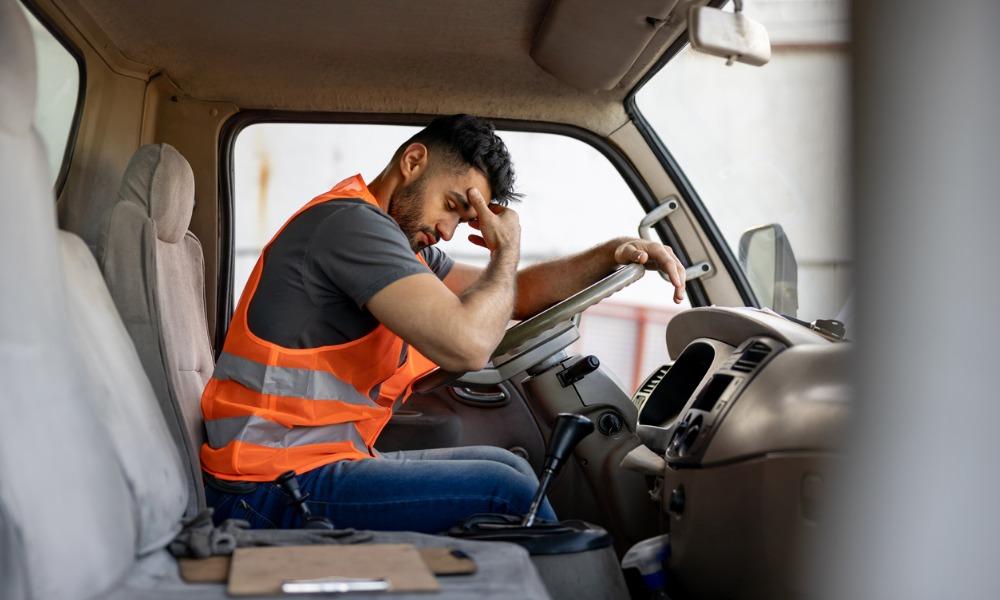
Long hours on the road, early starts, late finishes, back-to-back deliveries, and long-distance travel can all contribute to fatigue. A tired driver may have slower reactions, poor concentration, and reduced judgement.
6. Unsafe loading and unsecured cargo
Tools, stock, gas cylinders, ladders, cleaning chemicals, food containers, and spare parts all need to be carried safely. Loads that shift during driving or unloading can injure people and affect vehicle stability.
7. Unsafe entry, exit, and loading behaviour
Vehicle incidents are not limited to collisions. Employees may be injured:
getting in or out of the vehicle awkwardly
climbing onto the load bed unsafely
lifting heavy goods incorrectly
slipping in wet loading areas
being struck by a moving vehicle during loading
8. Pressure to rush deliveries or service calls
When drivers are pushed to “just get there quickly,” they may speed, skip rest breaks, ignore vehicle defects, park unsafely, or take unnecessary risks.
Which Small Businesses Should Pay Special Attention to Vehicle Safety?
Vehicle safety matters in almost any business that uses transport, but it is especially important for businesses such as:
delivery and courier businesses
catering and food delivery businesses
CCTV, electrical, plumbing, and technical service businesses
cleaning and maintenance businesses
retail businesses delivering stock to customers
construction, installation, and repair businesses
sales teams travelling to client sites
businesses with multiple branches or field staff
Even an office-based business should pay attention if employees regularly drive to meetings, banks, suppliers, or customer locations.
Employer Responsibilities for Work-Related Driving
A small business cannot control every road condition or every action of another road user. However, it can and should manage the parts of vehicle safety that fall within its influence. Practical employer responsibilities include:
making sure vehicles are suitable for the work
keeping vehicles roadworthy and maintained
ensuring drivers are properly licensed and competent
setting clear rules for safe driving behaviour
managing load safety
discouraging phone use and distraction
considering fatigue and working hours
planning routes and delivery expectations realistically
responding to vehicle defects and incident reports
training employees where necessary
The aim is to reduce foreseeable risk rather than waiting for a crash to reveal weaknesses.
Driver Responsibilities
Drivers also have responsibilities. An employee driving for work should:
drive legally and responsibly
obey speed limits and traffic rules
report vehicle defects promptly
avoid phone use and distraction
use seatbelts
secure loads properly
report incidents, damage, or near misses
refuse to drive an obviously unsafe vehicle
drive according to road, weather, and traffic conditions
Safe driving is not only the employer’s responsibility. It is a shared responsibility between the business and the driver.
Vehicle Checks and Maintenance: A Basic Safety Requirement
One of the most practical ways to reduce risk is to make sure vehicles are maintained properly and checked regularly. Businesses should not wait for a breakdown or crash before noticing a problem.
Basic checks may include:
tyres and tyre condition
brakes
lights and indicators
mirrors
windscreen and wipers
seatbelts
fluid levels
obvious leaks
damage affecting safe operation
reverse alarms or cameras where fitted
load restraint equipment where relevant
For some businesses, it may be useful to have a simple pre-use or daily vehicle check process for drivers, especially where vehicles are used intensively or shared between employees.
Managing Reversing and Site Movement Risks
Reversing incidents are common because visibility is limited and many business sites are tight or busy. To reduce reversing risk, small businesses should consider:
keeping reversing to a minimum where possible
improving parking layout or access routes
using a spotter or guide where appropriate
making sure mirrors and cameras are clean and working
separating pedestrians from vehicle routes where possible
avoiding cluttered loading areas
planning deliveries when areas are less crowded if practical
Reversing should never be treated as a casual part of the job just because it happens often.
Safe Loading, Carrying, and Unloading of Goods
Vehicles used for work often carry tools, materials, stock, gas bottles, ladders, cleaning chemicals, food containers, or electronic equipment. Poor loading can create two types of danger:
it can make the vehicle unstable or unsafe while driving; and
it can injure people during loading or unloading.
Safe loading principles include:
not overloading the vehicle
distributing weight properly
securing loose items so they do not move
keeping dangerous items separated where necessary
storing tools and equipment so they do not become projectiles in a crash
avoiding loads that block driver visibility
using safe lifting practices during loading and unloading
A bakkie or van full of loose equipment is not only untidy. It can be dangerous.
Mobile Workers and Technicians: Extra Risks to Consider
Businesses with mobile technicians, installers, maintenance staff, or service teams often face a combination of road risk and job-site risk. A technician may:
drive long distances
carry ladders, tools, and chemicals
work in unfamiliar areas
park in difficult locations
reverse into tight spaces
unload heavy equipment
work after driving fatigue has already built up
This means the business should not think only about “driving” and “site work” separately. The overall safety picture includes both.
Phone Use, Navigation, and Driver Distraction
One of the most important modern vehicle risks is distraction. A driver may be distracted by:
answering work calls
checking messages from customers or supervisors
entering addresses into navigation while moving
reading job notes while stopped in unsafe places
eating or drinking while driving
looking for tools or paperwork inside the vehicle
A small business should have a clear rule that driving comes first. Calls, messages, and route planning should not interfere with safe control of the vehicle.
Fatigue and Scheduling Pressure
A driver may become unsafe not because of poor skill, but because of exhaustion, time pressure, or unrealistic scheduling. Warning signs include:
repeated yawning
poor concentration
missing turns or road signs
irritability
drifting within the lane
slower reactions
Businesses should avoid creating conditions where employees feel forced to drive tired, rush deliveries, or skip breaks because of unrealistic expectations.
Using Personal Vehicles for Work
Some small businesses allow employees to use their own vehicles for deliveries, meetings, collections, or customer visits. This can create extra questions about:
roadworthiness
insurance
maintenance responsibility
whether the vehicle is suitable for the task
how loads will be carried safely
If personal vehicles are used for work, the business should still think carefully about the safety implications rather than treating the arrangement as purely private.
Delivery Safety at Customer Sites
Delivery and service work does not end when the vehicle arrives. Risks often continue at the customer site, especially when:
parking space is limited
the area is crowded
reversing is needed
heavy items must be carried
there are stairs, uneven surfaces, or poor lighting
the delivery point is far from the vehicle
the driver is working alone
Delivery staff and technicians should be encouraged to pause and assess the situation rather than rushing into a risky unloading or parking decision.
Incident Reporting and Learning from Vehicle Problems
Vehicle incidents should not be limited to insurance paperwork. Businesses should encourage reporting of:
collisions
reversing bumps
load shifts
near misses
vehicle defects
unsafe parking problems
repeated fatigue concerns
dangerous customer delivery locations
This helps the business identify patterns and improve controls before a more serious incident happens.
Common Vehicle Safety Mistakes Small Businesses Make
1. Treating driving as separate from workplace safety
If employees drive for work, it is part of workplace safety.
2. Ignoring vehicle defects because the vehicle is “still running”
A vehicle can still move and still be unsafe.
3. Overloading bakkies or vans with tools, stock, or materials
This increases crash risk and unloading injuries.
4. Allowing constant work calls while employees are driving
This creates avoidable distraction.
5. Failing to plan deliveries and service travel realistically
Rushed drivers often make unsafe decisions.
6. Forgetting about reversing and loading risks on site
Many vehicle incidents happen at low speed in work areas, not only on highways.
Practical Examples
Example 1: Technical services business
A CCTV technician drives between multiple client sites in one day with ladders, tools, cable, and electronic equipment in the vehicle. The business should manage driver fatigue, safe storage of equipment, reversing risk at client premises, and vehicle roadworthiness.
Example 2: Catering or food delivery business
A delivery driver transports hot food and supplies to events. Risks may include speeding due to deadlines, load instability, slippery loading areas, parking in unsafe spaces, and fatigue during peak periods.
Example 3: Retail business with customer deliveries
A furniture or appliance retailer uses a bakkie to deliver products locally. The business should control load securing, manual handling during unloading, reversing in customer driveways, and driver competence.
Final Thoughts
Vehicle, driving, and delivery safety are critical parts of workplace health and safety for many small businesses. Whether the business uses a single car for collections, a fleet of delivery vehicles, or technician vans travelling to customer sites, the risks are real. Road crashes, reversing incidents, poor vehicle maintenance, load shifts, driver distraction, fatigue, and rushed deliveries can all lead to serious injury, business disruption, and major financial loss.
For South African small business owners, the key is to treat work-related driving as something that must be actively managed, not simply left to chance. Vehicles should be roadworthy, drivers should be competent and licensed, loads should be secured properly, reversing risks should be controlled, and clear rules should exist for distraction, fatigue, and incident reporting. Delivery and service staff should also understand that safety continues when they arrive on site, not only while driving on the road.
A business that manages vehicle safety well protects its employees, its customers, its reputation, and its assets. It also sends a clear message that getting the job done matters, but getting it done safely matters just as much.
In the next article, we will look at workplace violence, aggression, and conflict, including difficult customers, threatening situations, employee safety, and practical steps small businesses can take to reduce the risk of violence and intimidation at work.
Related Articles in the Occupational Health and Safety Series
Phase 1: Foundation and Legal Basics
OHS for Small Businesses - An Overview
OHS Act: What Every Small Business Needs to Know
How to Do a Health and Safety Risk Assessment
Creating a Simple OHS Policy and Assigning Responsibilities
Workplace Safety Training and Induction for Employees
First Aid Requirements and Emergency Preparedness
Personal Protective Equipment (PPE)
Incident Reporting and Investigating Workplace Accidents
Workplace Inspections and Safety Checklists
Phase 2: Practical Health and Safety Topics
Manual Handling and Lifting Safety
Electrical Safety in the Workplace
Workplace Ergonomics for Office Employees
Ladder Safety and Working at Height
Chemical Safety in the Workplace
Managing Contractors, Visitors, and Customers On Site
Vehicle, Driving, and Delivery Safety
Workplace Violence, Aggression, and Conflict
Smoking, Vaping, and Substance Use in the Workplace
Young Workers, Temporary Staff, and Vulnerable Employees
Heat, Sun, and Outdoor Work Safety
Rain, Storms, and Severe Weather Safety
Working in Clients' Homes and Customer Premises
AI Disclaimer
AI Tools were used to assist with research. Remember to always cross-check everything that you read.


