

OHS: Managing Contractors, Visitors, and Customers on Site: Health and Safety Responsibilities
Article #17 of #25 in the Occupational Health and Safety Series
Phase 2: Practical Health and Safety Topics
Introduction
When small business owners think about workplace health and safety, they often focus mainly on their own employees. That makes sense, because employees are the people under the business’s day-to-day control. However, workplace safety responsibilities do not stop with staff members. In many businesses, other people enter the workplace regularly. These may include contractors, subcontractors, delivery drivers, maintenance technicians, clients, customers, suppliers, sales representatives, job applicants, and visitors. Even though these people are not direct employees of the business, they can still be injured by workplace hazards, and in some situations they can also create risks for others.
This is an important part of occupational health and safety that small businesses sometimes overlook. A customer may slip on a wet floor in a retail store. A contractor may start electrical work without understanding the hazards in the building. A delivery driver may enter a loading area where there is poor traffic control. A visitor may walk through a workshop without personal protective equipment or awareness of the dangers. A maintenance technician may work on a machine without the business properly isolating the equipment. In each of these cases, the business cannot simply say, “That person is not our employee, so it is not our problem.” Businesses still have health and safety responsibilities toward people who come onto their premises or who are affected by their operations.
Managing contractors, visitors, and customers on site is really about controlling access, sharing important safety information, coordinating work, and making sure that people who are not part of the daily workforce can still move through the workplace safely. It also means making sure that contractors do not create new hazards for employees, customers, or other contractors while they are carrying out their work. A contractor repairing wiring, a technician installing CCTV, a pest control company treating a site, or a plumber working in a kitchen all bring their own activities and risks into the workplace. If these are not managed properly, the business may end up with injuries, damage, disruptions, and avoidable legal exposure.
For South African small businesses, this does not mean creating complicated contractor management systems that only large corporations can handle. It means understanding the basic duty to protect anyone who may be affected by the business’s activities, and then putting practical controls in place. These controls may include sign-in procedures, restricted access to dangerous areas, visitor rules, communication of hazards, supervision of contractors, traffic control, emergency information, and clear responsibilities for who is doing what.
In this article, we will look at why contractors, visitors, and customers must be included in a small business’s health and safety planning, the main risks they face, the responsibilities of the business, and the practical steps owners can take to manage these groups more safely and professionally.
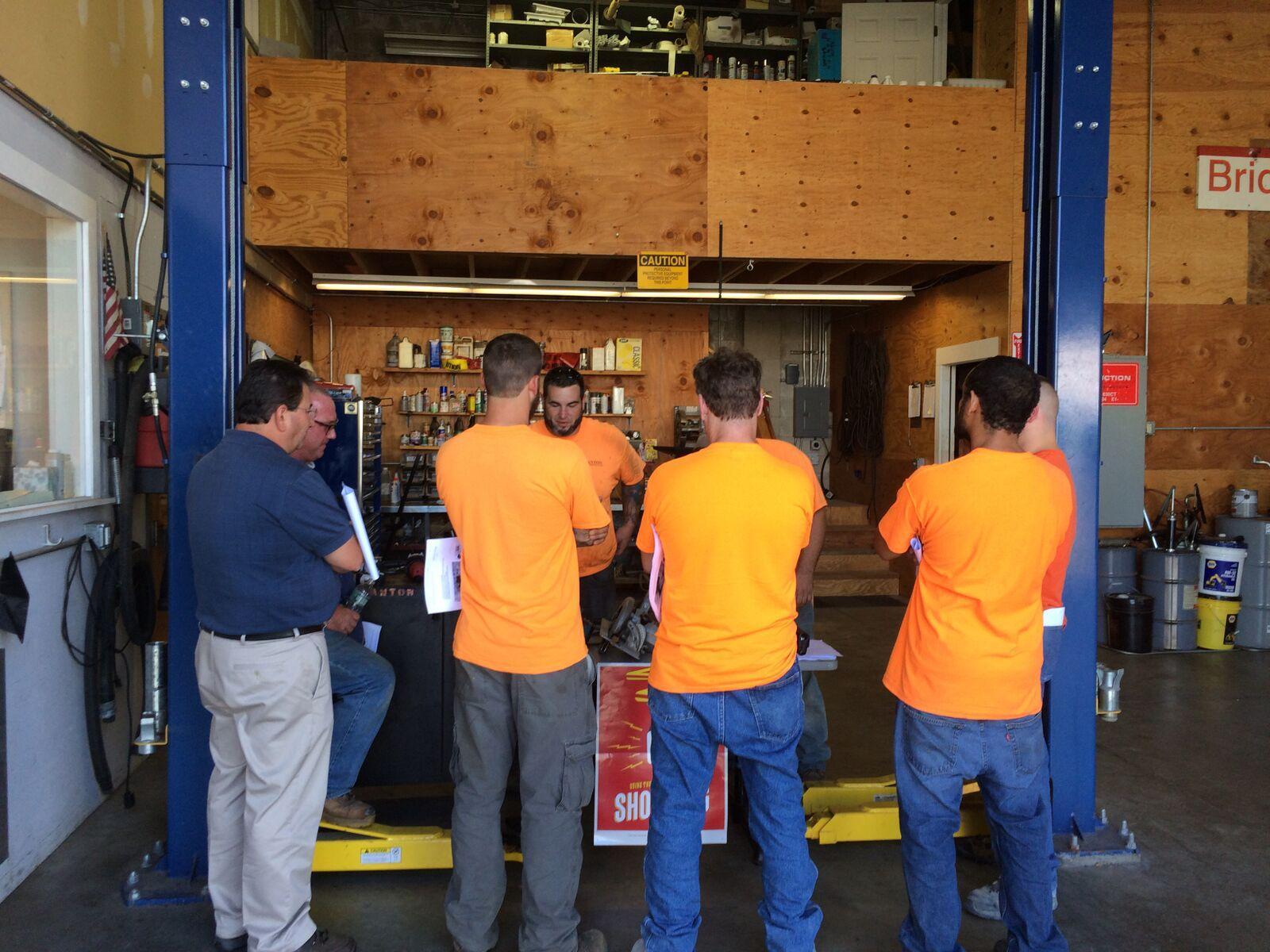
Why This Topic Matters
A workplace is rarely used only by permanent employees. Even a small business may have a surprising number of non-employees coming onto the premises. These may include:
customers entering a shop, office, salon, or reception area
delivery drivers bringing stock or collecting goods
contractors carrying out maintenance, repairs, or installations
service providers such as electricians, plumbers, pest control teams, cleaners, and technicians
visitors attending meetings or interviews
suppliers or sales representatives
temporary workers or subcontractors
Each of these people may be exposed to workplace hazards such as slippery floors, traffic movement, electrical work, machinery, ladders, chemicals, falling objects, poor housekeeping, or fire risks. In some cases, they may not know the workplace layout, the danger zones, the emergency exits, or the safe routes to follow. That lack of familiarity increases risk.
This topic matters because a business can be held responsible if it fails to take reasonable steps to protect people who enter the workplace or who may be affected by its operations.
Who Counts as a Contractor, Visitor, or Customer?
It helps to separate these groups because the risks and controls may differ slightly.
Contractors
Contractors are people or companies brought in to perform work or provide a service. Examples include:
electricians
plumbers
alarm and CCTV installers
painters
air-conditioning technicians
cleaning contractors
pest control providers
IT and network technicians
maintenance teams
builders and renovation contractors
Contractors often create risk because they perform physical work, use tools, isolate services, work at height, use chemicals, or interfere with the normal workplace environment.
Visitors
Visitors are people who enter the workplace for reasons other than carrying out regular work for the business. Examples include:
clients attending meetings
job applicants
family members of staff who visit the site
auditors or consultants
sales representatives
guests attending an event or function
Visitors may not understand the workplace hazards at all, especially if they are unfamiliar with the site.
Customers
Customers are especially important in retail, hospitality, service, and public-facing businesses. They may be exposed to:
wet floors
damaged steps
crowded areas
falling stock
hot food or drink hazards
parking area risks
poor signage
temporary maintenance work in customer spaces
Customers are often the least informed group because they are focused on shopping, waiting for service, or moving quickly through the premises.
The Business’s Health and Safety Responsibility
In simple terms, a small business should take reasonably practical steps to ensure that people who come onto the site are not exposed to unnecessary harm because of the workplace or the business’s activities. This includes thinking beyond employees and considering how hazards affect anyone who enters the premises or interacts with the business.
This does not mean the business controls every action of every visitor. It does mean the business should:
keep the premises reasonably safe
communicate known hazards where necessary
restrict access to dangerous areas
coordinate contractor work properly
supervise or monitor high-risk work where appropriate
provide emergency information where relevant
prevent contractor activities from putting others at risk
Common Risks to Contractors, Visitors, and Customers
1. Slips, trips, and falls
This is one of the most common risks for non-employees. Examples include:
wet floors in customer areas
cluttered walkways
cables across passages
uneven paving
broken steps
poor lighting in access routes
A visitor or customer may be especially vulnerable because they do not know where hazards usually are.
2. Traffic and vehicle movement
Loading areas, parking areas, warehouse yards, and service entrances can expose delivery drivers, contractors, and visitors to vehicle risks such as reversing vehicles, forklifts, trolleys, and delivery activity.
3. Contractor work creating hazards
A contractor may create temporary risks such as:
ladders in walkways
open ceiling panels
exposed wiring
tools and materials left in shared areas
wet floors after cleaning
fumes or dust from maintenance work
blocked exits during repairs
4. Access to hazardous work areas
Visitors or customers may accidentally enter workshops, storerooms, kitchens, electrical rooms, roof access points, or loading areas if there is poor control over access.
5. Fire and emergency risks
People who do not know the building may not know where to exit during a fire or emergency. Contractors working on site may also affect fire safety if they block routes, isolate systems, or perform hot work.
6. Machinery, electrical, or technical hazards
Contractors and service providers may work near machines, power supplies, or technical systems. If isolation and communication are poor, the risk of injury increases.
7. Falling objects and overhead work
A customer or visitor walking below maintenance work, stock handling, or ladder work may be injured by a dropped object.
Why Contractors Need Special Attention
Contractors are often the highest-risk group because they do not simply enter the workplace — they actively change it. A contractor may:
drill into walls
work at height
isolate electricity
open ceilings or floor panels
bring chemicals on site
use ladders, scaffolds, or tools
create noise, dust, or fumes
block walkways or exits
affect customers and employees working nearby
At the same time, contractors may also be exposed to hazards that already exist in the workplace, such as poor electrical systems, slippery surfaces, roof access dangers, confined spaces, or unsafe traffic routes.
This means contractor management is a two-way responsibility:
the business must tell the contractor about relevant site hazards and rules; and
the contractor must carry out their work in a way that does not endanger others.
Practical Ways to Manage Contractors Safely
1. Choose competent contractors where possible
Before bringing in a contractor, the business should have reasonable confidence that the person or company is capable of doing the work safely. This may involve checking:
experience and reputation
whether the contractor is suitable for the task
whether they understand the risks of the work
whether they have the right equipment and skills
whether specialist work will be done by qualified people where required
This is especially important for electrical work, gas work, structural work, height work, and other higher-risk tasks.
2. Explain site rules and hazards before work starts
Contractors should be told about relevant site hazards and rules, such as:
restricted areas
emergency exits and assembly points
fire precautions
traffic routes
areas where customers or employees will still be moving
electrical isolation arrangements
chemical hazards
PPE expectations if applicable
A contractor cannot safely manage a site risk that nobody has told them about.
3. Define the work area clearly
The business should know:
where the contractor will work
what equipment or systems they will affect
whether customers or employees will be nearby
whether barriers, warning signs, or temporary closures are needed
4. Separate contractor work from customers and normal traffic where possible
If a contractor is drilling, painting, cleaning with chemicals, working overhead, or carrying out repairs in a customer-facing area, the business should consider whether the area should be closed, isolated, or worked on after hours.
5. Monitor higher-risk work
Not every contractor needs constant supervision, but higher-risk tasks may require closer oversight. This includes work involving:
electricity
gas
working at height
hot work
chemicals
structural changes
work in customer-accessible areas
6. Make sure housekeeping remains under control
Contractor materials, tools, cords, packaging, and debris should not be allowed to create trip hazards or block routes.
Managing Visitors More Safely
Visitors usually need simpler controls than contractors, but they still need protection.
Practical visitor controls may include:
a sign-in process where appropriate
escorting visitors in hazardous areas
keeping visitors out of workshops, kitchens, storerooms, or technical areas unless necessary
giving basic emergency information if the visit is more than a quick reception stop
making sure walkways and meeting areas are safe and clear
using signage for restricted areas
Visitors should never be left to wander through operational areas where they may not understand the risks.
Managing Customer Safety in Public-Facing Businesses
Customers are often present in shops, restaurants, salons, service counters, and reception areas. The business should think about safety from the customer’s point of view.
Important controls include:
keeping floors dry and using warning signs where needed
preventing stock, boxes, or cords from entering customer walkways
maintaining stairs, entrances, and parking areas
controlling maintenance work in public areas
securing shelving and displays
preventing access to back-of-house work areas
managing hot food, hot drinks, or sharp objects carefully where relevant
A customer who slips, trips, or is struck by a falling object can create not only an injury incident but also a serious reputational and legal problem for the business.
Sign-In Procedures and Access Control
A sign-in process can be useful because it helps the business know who is on site and who may need assistance in an emergency. The level of control depends on the nature of the business. A large warehouse needs more formal access control than a small office reception area. However, even simple systems can help.
A sign-in or access control process may help with:
knowing who is on site
ensuring contractors are expected and authorised
stopping unauthorised access to restricted areas
giving basic site instructions to visitors
improving emergency accountability during evacuation
Emergency Information for Non-Employees
Contractors and longer-stay visitors should know enough to protect themselves if something goes wrong. Depending on the site, this may include:
where the nearest exit is
what alarm or warning system may be used
where to assemble during an evacuation
who to report to if there is a problem
what areas are off-limits
For contractors carrying out more complex work, emergency planning may need to be more detailed, especially if the work affects fire safety systems, power supply, or customer access routes.
Communication Is One of the Most Important Controls
Many incidents involving non-employees happen because of poor communication. The contractor was not told about a live hazard. The visitor did not know a floor had just been cleaned. The delivery driver did not know where vehicles reverse. The customer did not realise a maintenance area was still open.
Good communication may include:
verbal instructions
clear signs
barriers and cones
written site rules where appropriate
coordination meetings for bigger contractor jobs
direct communication between the business and contractor before work begins
Common Mistakes Small Businesses Make
1. Assuming non-employees are responsible for their own safety without any help from the business
Visitors, customers, and contractors still need a safe environment and relevant information.
2. Letting contractors start work without discussing hazards or boundaries
This creates risk for both the contractor and everyone else on site.
3. Allowing maintenance or repair work to happen in customer areas without control
This can expose the public to tools, ladders, cords, chemicals, and falling objects.
4. Forgetting that delivery drivers and suppliers are also exposed to site hazards
Loading areas and service entrances need safety attention too.
5. Treating sign-in as “just admin”
Knowing who is on site can be very important during an emergency.
6. Leaving visitors unescorted in hazardous areas
A person who does not know the workplace may not recognise the danger around them.
Practical Examples
Example 1: Retail store maintenance
An electrician is replacing lights above a customer walkway during business hours. The business should consider closing or isolating the area, keeping customers away, controlling falling object risk, and making sure the contractor’s equipment does not create trip hazards.
Example 2: CCTV installation at a client-facing office
A technician installs cameras in a reception area while staff and clients are moving through the space. The business should define the work area clearly, use barriers or signage if needed, and make sure cables, ladders, and tools do not endanger others.
Example 3: Restaurant pest control visit
A pest control contractor attends a food business after hours. The business should make sure the contractor understands food safety sensitivities, restricted storage areas, emergency procedures, and any hazards in the kitchen or storeroom.
Final Thoughts
Managing contractors, visitors, and customers on site is a core part of workplace health and safety, even in a small business. These people may not be employees, but they can still be harmed by workplace hazards, and in some cases they can also create risks for employees and others around them. A contractor doing electrical work, a delivery driver entering a loading area, a customer walking through a wet entrance, or a visitor entering a workshop all need the business to think beyond staff-only safety.
For South African small business owners, the practical goal is simple: know who is coming onto the site, understand what risks they may face or create, and put sensible controls in place. That may mean giving contractors site rules before work starts, isolating maintenance work from customer areas, keeping visitors out of dangerous zones, improving sign-in procedures, managing housekeeping carefully, and making sure emergency information is available where needed. None of these steps need to be complicated, but they do need to be intentional.
A business that manages non-employee safety well is usually a business that is organised, professional, and serious about risk control. It protects not only people, but also the reputation and stability of the business itself.
In the next article, we will look at vehicle, driving, and delivery safety for small businesses, including company vehicles, driver behaviour, loading risks, reversing hazards, and managing employees who drive as part of their work.
Related Articles in the Occupational Health and Safety Series
Phase 1: Foundation and Legal Basics
OHS for Small Businesses - An Overview
OHS Act: What Every Small Business Needs to Know
How to Do a Health and Safety Risk Assessment
Creating a Simple OHS Policy and Assigning Responsibilities
Workplace Safety Training and Induction for Employees
First Aid Requirements and Emergency Preparedness
Personal Protective Equipment (PPE)
Incident Reporting and Investigating Workplace Accidents
Workplace Inspections and Safety Checklists
Phase 2: Practical Health and Safety Topics
Manual Handling and Lifting Safety
Electrical Safety in the Workplace
Workplace Ergonomics for Office Employees
Ladder Safety and Working at Height
Chemical Safety in the Workplace
Managing Contractors, Visitors, and Customers On Site
Vehicle, Driving, and Delivery Safety
Workplace Violence, Aggression, and Conflict
Smoking, Vaping, and Substance Use in the Workplace
Young Workers, Temporary Staff, and Vulnerable Employees
Heat, Sun, and Outdoor Work Safety
Rain, Storms, and Severe Weather Safety
Working in Clients' Homes and Customer Premises
AI Disclaimer
AI Tools were used to assist with research. Remember to always cross-check everything that you read.


