
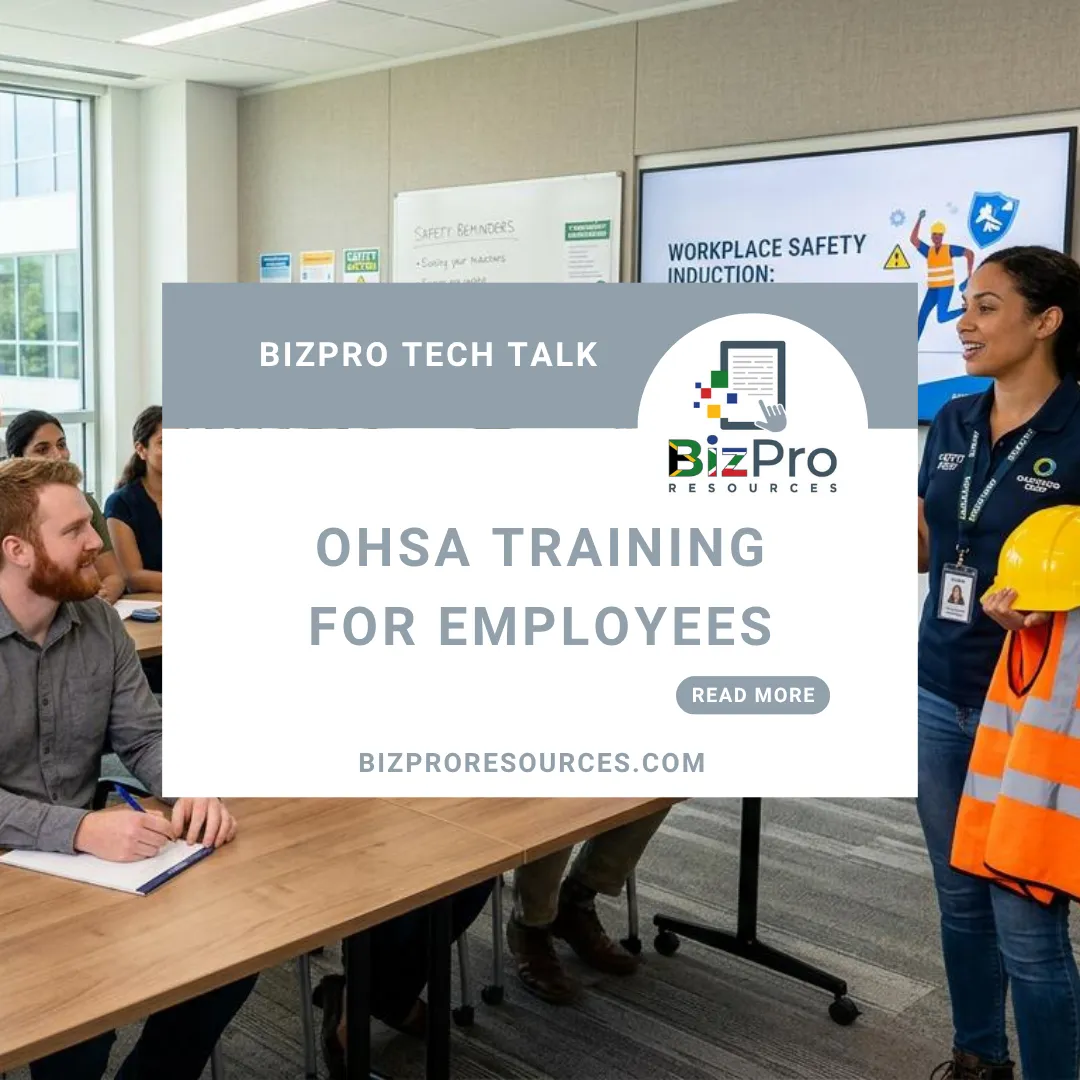
OHS: Workplace Safety Training and Induction for Employees
Article #5 of #25 in the Occupational Health and Safety Series
Phase 1: Foundation and Legal Basics
Introduction
A workplace can have a health and safety policy, a risk assessment, and the right equipment on site, but if employees do not know how to work safely, those measures will only go so far. This is why workplace safety training and induction are such important parts of occupational health and safety in a small business.
Employees need more than a quick verbal warning on their first day. They need to understand the hazards in the workplace, the safety rules that apply to their jobs, what to do in an emergency, who to report problems to, and how to use equipment and protective gear properly. Without this knowledge, even a business with good intentions can end up with preventable injuries, unsafe behaviour, damaged equipment, and legal problems after an incident.
For small business owners, training is sometimes treated as something that only large companies can afford to do properly. In reality, even a small business can provide effective safety training if it is practical, relevant, and planned properly. Training does not always require expensive external courses or long classroom sessions. In many cases, the most important thing is that employees are taught the right information at the right time, in a way they can understand and apply in their daily work.
Induction is especially important because it sets the standard from the beginning. A new employee may be highly skilled in their trade, but they still need to understand the safety rules, layout, risks, emergency procedures, and expectations of your workplace. They should not be expected to “just pick it up as they go.” That approach often leads to confusion, unsafe shortcuts, and bad habits.
In this article, we will look at what workplace safety training and induction are, why they matter, what should be included, when training should happen, who should deliver it, and how small business owners can keep the process practical and effective.
What Is Workplace Safety Training?
Workplace safety training is the process of teaching employees how to work safely, how to recognise hazards, how to follow safety procedures, and what to do in situations that could affect health and safety.
Safety training can cover many different topics depending on the business, such as:
general workplace safety rules
emergency procedures
safe use of tools, machinery, or equipment
manual handling
fire safety
chemical safety
use of personal protective equipment (PPE)
housekeeping and hygiene rules
reporting hazards, incidents, and near misses
safe work procedures for specific tasks
The aim is not simply to give information. The aim is to make sure employees understand what is expected of them and are able to carry out their work without creating unnecessary risk for themselves or others.
What Is Safety Induction?
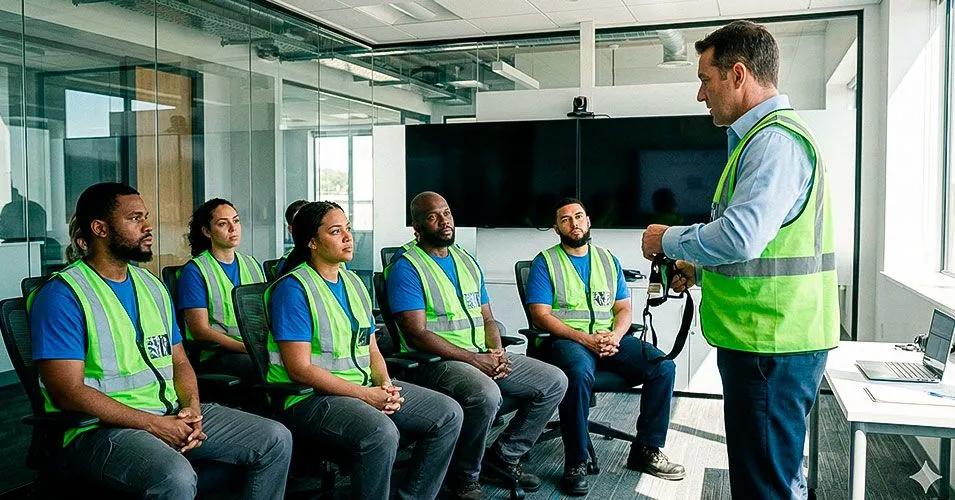
A safety induction is the training given to a new employee, temporary worker, contractor, or in some cases a visitor, when they first enter the workplace or begin work. It introduces them to the workplace, the key hazards, the basic safety rules, and the emergency arrangements they need to know before starting.
Think of induction as the employee’s first safety orientation. It answers practical questions such as:
What hazards exist in this workplace?
What safety rules do I need to follow?
Where are the exits, first aid box, and fire extinguishers?
Who do I report to if I see something unsafe?
What PPE must I wear?
What should I do if there is an accident, injury, or fire?
Are there any areas or equipment I may not use without authorisation?
A proper induction helps prevent a new employee from starting work without understanding the environment around them.
Why Safety Training and Induction Matter in a Small Business
Some small business owners assume that safety training is only needed for dangerous industries such as construction, manufacturing, or mining. While high-risk sectors certainly require strong training, every business has some level of workplace risk, and every employee needs to understand the safety rules that apply to their role.
1. Training helps prevent injuries and unsafe behaviour
Many workplace incidents happen because employees do not understand a hazard, have not been shown the correct procedure, or develop unsafe habits over time. Training helps close that gap by showing employees what to do and what not to do.
For example:
a kitchen worker who is not trained on oil and knife safety may be more likely to suffer burns or cuts
a technician who is not trained on ladder use may work unsafely at height
an office employee who does not know emergency procedures may react poorly during a fire or evacuation
a cleaner who is not trained on chemical handling may mix products incorrectly or work without gloves or ventilation
2. Induction sets the tone from the beginning
The first days of employment are often when habits are formed. If a new employee receives no safety induction, they may copy unsafe behaviour from others, misunderstand procedures, or assume that the workplace does not take safety seriously.
A good induction sends the opposite message. It shows that the business expects safety rules to be followed from day one.
3. Training supports legal and management responsibilities
Employers have a duty to provide information, instruction, training, and supervision where needed to help employees work safely. Training is therefore not just a good idea; it is part of responsible health and safety management.
4. It improves consistency in the workplace
When employees are trained properly, they are more likely to follow the same procedures, report the same kinds of issues, and respond in a more consistent way to hazards and emergencies. This makes the workplace easier to manage and safer overall.
5. It can reduce damage, downtime, and poor work practices
Training is not only about injury prevention. It can also help reduce equipment damage, poor chemical handling, unsafe shortcuts, customer complaints, and confusion over who should do what.
Who Needs Safety Training?
In a small business, safety training should not be limited only to permanent full-time employees. Anyone who works in the business or carries out tasks that could create health and safety risks may need some level of training or instruction.
This can include:
permanent employees
part-time employees
temporary workers
apprentices or interns
supervisors and managers
drivers or delivery staff
technicians or field workers
cleaners
contractors, depending on the work they are doing and the level of control the business has over the site
The level of training will differ depending on the person’s role. A receptionist and a welder do not need the same safety training, but both still need relevant instruction for the work they do and the environment they work in.
What Should a Workplace Safety Induction Include?
A safety induction should be practical and relevant to the workplace. It does not need to be overcomplicated, but it should cover the key information a new employee needs before starting work.
Below are the main areas that should usually be included.
1. A brief introduction to the company’s safety approach
Start by explaining that health and safety is taken seriously in the business and that employees are expected to follow safety rules, report hazards, and work responsibly.
This can include:
the business’s commitment to health and safety
the importance of reporting unsafe conditions
the expectation that employees follow procedures and use PPE where required
This helps set the tone early.
2. Key workplace hazards
A new employee should be told about the main hazards in the workplace or in the area where they will work.
Examples might include:
slippery floors
electrical tools
machinery or sharp equipment
hot surfaces or hot oil
chemicals and cleaning products
ladders or work at height
heavy lifting
vehicle movement in yards or loading areas
customer-facing risks in public spaces
This part of the induction should be specific to the business, not generic.
3. Emergency procedures
Every new employee should know the basics of what to do in an emergency. This usually includes:
what to do if there is a fire
where the emergency exits are
where the assembly point is
how to raise the alarm or report an emergency
who the first aider or responsible person is
what to do if someone is injured
If the workplace has special risks such as gas, high-voltage work, or hazardous chemicals, those emergency arrangements should also be explained.
4. Reporting hazards, incidents, and near misses
Employees should be told:
who they must report hazards to
how to report unsafe equipment or unsafe conditions
what to do if they are injured
how to report a near miss or dangerous incident
This is important because employees cannot be expected to report properly if nobody has explained the process.
5. PPE requirements
If the role requires personal protective equipment, the induction should explain:
what PPE must be worn
when it must be worn
how to use it properly
where it is kept
how to report damaged or missing PPE
It is not enough to hand someone gloves or safety glasses without explaining the rules around them.
6. Restricted areas, tools, or tasks
New employees should know if there are any areas they may not enter or any tools, machines, vehicles, or tasks they may not use without training or permission.
This is especially important in workshops, warehouses, kitchens, construction-related work, or technical environments.
7. Housekeeping and cleanliness expectations
Employees should understand the workplace rules around:
keeping walkways clear
cleaning spills
storing stock or tools properly
disposing of waste safely
keeping workstations tidy
preventing trip and fire hazards
Poor housekeeping is one of the most common causes of avoidable injuries, so it should be addressed clearly.
8. First aid arrangements
Employees should know:
where the first aid box is
who the first aider or responsible person is
how to report an injury
what to do if urgent medical assistance is needed
9. Basic safe work procedures for their role
Induction should also include the main safety procedures relevant to the employee’s own job. For example:
a technician may need guidance on ladder safety, tool checks, site hazards, and electrical isolation
a kitchen employee may need guidance on burns, knives, gas, food spills, and chemical cleaning products
an office employee may need guidance on electrical safety, emergency evacuation, and housekeeping
What Ongoing Safety Training Should Cover
Induction is only the starting point. Employees also need ongoing safety training during their employment, especially when they do tasks with higher risk or when something changes in the workplace.
Ongoing training may include the following.
Task-specific safety training
Employees should receive training on the tasks they actually perform. This may include:
ladder safety
machinery use
safe driving or vehicle loading
chemical handling
manual handling
working at customer sites
lockout or isolation procedures where relevant
food safety and hygiene practices where linked to employee safety
Refresher training
Over time, employees forget details, become careless, or drift away from safe procedures. Refresher training helps reinforce important points and correct bad habits.
Refresher training may be useful:
after an incident or near miss
when unsafe behaviour has been observed
when a procedure has changed
after long periods without formal safety discussion
when new hazards are introduced
Training after workplace changes
If the business introduces:
new machinery
new chemicals
a new service
new PPE
a new branch or work area
a new process or layout
then employees may need fresh training before they continue with normal work.
Supervisor and manager training
Supervisors and managers also need safety training, especially if they are expected to enforce procedures, investigate incidents, inspect equipment, or manage staff working in higher-risk situations. A manager cannot effectively supervise safe work if they do not understand the rules themselves.
Matching Training to the Type of Business
One of the most important things to understand is that not every business needs the same training. The training should match the hazards and activities in the workplace.
Office-based business
Training may include:
emergency evacuation
electrical safety
reporting hazards
housekeeping and storage
safe use of office equipment
basic ergonomics if relevant
Retail business
Training may include:
customer area safety
slips and trips
stock handling
cash-handling security procedures where relevant
emergency evacuation
safe use of ladders for stock access
housekeeping
Salon or beauty business
Training may include:
safe use of heated tools
electrical safety
chemical handling
hygiene and cleaning procedures
slip prevention
PPE or gloves where needed
Catering or food business
Training may include:
knife safety
burns and hot oil safety
slip prevention
gas safety
manual handling
cleaning chemical safety
emergency procedures
Workshop, technical, or field-service business
Training may include:
ladder safety
electrical safety
tool inspections
PPE
manual handling
client-site hazard awareness
vehicle loading and driving rules
emergency response in the field
How to Deliver Training Effectively in a Small Business
A small business does not need a large training department to provide useful safety training. What matters is that the training is clear, relevant, and delivered properly.
Use plain language
Employees should understand the training. Avoid unnecessary jargon or legal language, especially if English is not everyone’s first language.
Make it practical
Where possible, show employees the actual equipment, exits, PPE, chemicals, or work areas being discussed. Practical demonstrations are often more effective than long verbal explanations.
Break training into manageable parts
Not all training needs to happen in one long session. A new employee can receive a basic induction first, followed by task-specific training as they begin certain duties.
Ask questions and check understanding
Do not assume that silence means understanding. Ask employees to explain procedures back to you, show you how they would do a task safely, or answer simple questions.
Keep records
Training records can be very useful. A simple record might include:
employee name
date of training
topic covered
trainer’s name
employee signature or acknowledgement where appropriate
These records help the business track what has been done and identify gaps.
Reinforce training through supervision
Training is not complete just because someone attended a session. Supervisors and managers should watch how work is done and correct unsafe behaviour where necessary.
Common Mistakes Small Businesses Make with Safety Training
1. Giving only a quick verbal explanation on day one
A rushed introduction is not a proper induction. New employees need structured information and enough time to understand the workplace.
2. Assuming experienced employees do not need induction
Even experienced workers need to understand the specific risks, rules, and emergency arrangements of a new workplace.
3. Training only once and never again
Safety training should not end after the first day. Employees need refreshers, updates, and task-specific training over time.
4. Using generic training that does not match the work
Training should reflect the actual hazards in the business. A generic presentation copied from somewhere else may miss the real risks staff face every day.
5. Failing to check whether employees understood the training
It is possible for employees to sit through training without fully understanding it. Employers should check comprehension and correct misunderstandings early.
6. Ignoring supervisors
Supervisors play a major role in day-to-day safety. If they are not trained properly, they may struggle to enforce rules or recognise unsafe behaviour.
Final Thoughts
Workplace safety training and induction are essential building blocks of a safe and compliant small business. They help employees understand the hazards in their workplace, the rules they need to follow, how to use equipment safely, what to do in an emergency, and how to report problems before someone gets hurt.
For South African small business owners, training does not need to be expensive or overly formal to be effective. What matters is that it is relevant to the work, clear enough for employees to understand, and practical enough to influence daily behaviour. A short but well-planned induction, supported by task-specific training, refresher guidance, and good supervision, can make a major difference to safety performance.
The goal is not only to pass on information. The goal is to build a workplace where employees know what safe work looks like and understand that safety is part of their job from the first day onward. When training is done properly, it can reduce accidents, improve consistency, support compliance, and create a more professional working environment.
In the next article, we will move into another key area of workplace safety management: first aid requirements and emergency preparedness for small businesses. We will look at what a small business should have in place, how to prepare for common emergencies, and how to respond more effectively when something goes wrong.
Related Articles in the Occupational Health and Safety Series
Phase 1: Foundation and Legal Basics
OHS for Small Businesses - An Overview
OHS Act: What Every Small Business Needs to Know
How to Do a Health and Safety Risk Assessment
Creating a Simple OHS Policy and Assigning Responsibilities
Workplace Safety Training and Induction for Employees
First Aid Requirements and Emergency Preparedness
Personal Protective Equipment (PPE)
Incident Reporting and Investigating Workplace Accidents
Workplace Inspections and Safety Checklists
Phase 2: Practical Health and Safety Topics
Manual Handling and Lifting Safety
Electrical Safety in the Workplace
Workplace Ergonomics for Office Employees
Ladder Safety and Working at Height
Chemical Safety in the Workplace
Managing Contractors, Visitors, and Customers On Site
Vehicle, Driving, and Delivery Safety
Workplace Violence, Aggression, and Conflict
Smoking, Vaping, and Substance Use in the Workplace
Young Workers, Temporary Staff, and Vulnerable Employees
Heat, Sun, and Outdoor Work Safety
Rain, Storms, and Severe Weather Safety
Working in Clients' Homes and Customer Premises
AI Disclaimer
AI Tools were used to assist with research. Remember to always cross-check everything that you read.


