
OHS: Manual Handling and Lifting Safety in Small Businesses
Article #11 of #25 in the Occupational Health and Safety Series
Phase 2: Practical Health and Safety Topics
Introduction
Manual handling is one of the most common causes of workplace injury in many small businesses. It does not only apply to warehouses or construction sites. A shop assistant lifting stock in a storeroom, a technician carrying equipment to a customer site, a cleaner moving buckets and supplies, a kitchen worker lifting bulk ingredients, an office employee carrying boxes of paper, and a salon employee moving furniture or equipment can all be exposed to manual handling risks. Because these tasks are so ordinary, they are often underestimated. People assume that if an item can be lifted by hand, it is automatically safe to move. In reality, many back injuries, strains, sprains, and muscle problems happen during everyday lifting, carrying, pushing, pulling, lowering, and moving tasks that did not seem dangerous at the time.
The difficulty with manual handling injuries is that they are not always dramatic. A worker may not fall from a height or suffer a visible wound. Instead, the person may feel a sharp pain while lifting a heavy box, develop shoulder pain after repeated carrying, or slowly build up a back problem over weeks or months because of awkward movements and poor handling habits. These injuries can still be serious. They can lead to time off work, reduced productivity, medical costs, slower work, and in some cases long-term pain that affects the employee’s life outside the workplace as well.
For small business owners, manual handling is an important health and safety topic because it appears in so many different industries and job roles. It is not only about heavy loads. A manual handling task can become risky because the item is awkward, the route is cramped, the employee has to twist while carrying it, the load must be lifted repeatedly, or the person is working in a hurry without the right equipment or help. A business may think it has no “heavy lifting” because no one is carrying large industrial materials, yet employees may still be exposed to repeated strains from boxes, tools, stock, gas bottles, cleaning equipment, furniture, catering supplies, ladders, or customer deliveries.
The good news is that many manual handling injuries can be reduced with practical changes. Better storage, smaller load sizes, trolleys, team lifting, safer lifting techniques, better planning, and simple workplace layout improvements can all make a real difference. Small businesses do not need a complicated ergonomics programme to improve manual handling safety. They do, however, need to understand which tasks create risk, why those tasks are risky, and what reasonable steps can be taken to reduce the chance of injury.
In this article, we will look at what manual handling includes, why these injuries happen, the main risk factors to watch for, how to assess manual handling tasks, how to reduce lifting and carrying risks, and how to train employees to work more safely.
What Is Manual Handling?
Manual handling refers to any activity where a person lifts, lowers, carries, pushes, pulls, moves, holds, supports, or otherwise handles an object, item, person, or load by hand or bodily force.
In a small business, manual handling can include:
lifting boxes of stock
carrying tools and equipment
moving furniture, shelves, or displays
pushing trolleys or carts
pulling bins or loaded containers
lifting bulk food ingredients, gas cylinders, or cleaning supplies
carrying ladders or equipment cases
moving office paper boxes, archives, or deliveries
repositioning machinery or work materials
loading and unloading vehicles
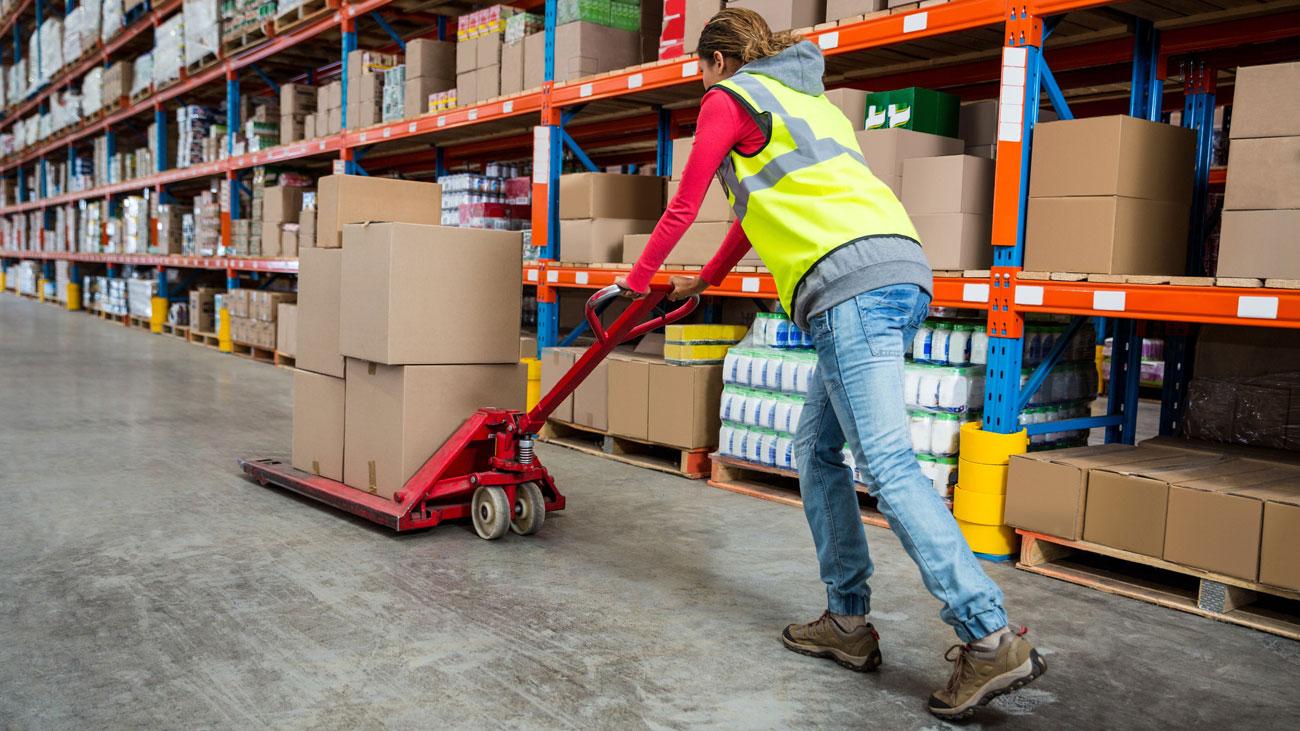
Manual handling is not only about the weight of the object. A light object can still cause injury if it is awkward to hold, has to be lifted repeatedly, must be carried over a long distance, or forces the worker into a poor posture.
Why Manual Handling Injuries Happen
Many people think manual handling injuries happen only when someone tries to lift something that is obviously too heavy. That does happen, but it is only one part of the picture. Manual handling injuries often result from a combination of factors.
1. The load is too heavy or difficult to control
If an object is heavy, unstable, bulky, slippery, or difficult to grip, the employee has to use more force and may struggle to keep proper balance or posture.
2. The employee uses awkward posture
Twisting while lifting, bending deeply from the back, reaching above shoulder height, carrying a load on one side of the body, or lifting in a cramped space can place extra strain on muscles and joints.
3. The task is repeated too often
A load that seems manageable once may still cause injury if it has to be lifted, carried, or moved many times throughout the day.
4. The route or environment makes the task harder
Manual handling becomes riskier when:
floors are slippery or uneven
stairs are involved
the path is cluttered
there is poor lighting
the worker has to avoid customers or other obstacles
the load must be carried a long distance
5. The employee is rushed or working without enough help
Time pressure often leads to poor lifting decisions. Employees may skip using a trolley, try to carry too much at once, or lift something alone that should have been moved by two people.
6. The person has not been shown a safer way to do the task
Some manual handling risks can be reduced through training, planning, and simple changes in how work is done.
Common Manual Handling Injuries in Small Businesses
Manual handling can lead to:
lower back strain and back injuries
shoulder strains
neck pain
sprains and muscle tears
hand and wrist injuries
knee strain
slips or falls while carrying loads
crush injuries if a load is dropped
gradual musculoskeletal problems from repeated strain
Some injuries happen suddenly during one lift. Others develop slowly over time through repeated awkward work.
Manual Handling Risks in Different Small Businesses
Retail businesses
Employees may:
lift stock from deliveries
carry boxes to shelves or storerooms
move displays or promotional stands
use ladders while handling stock
push trolleys or cages
Catering, restaurants, and food businesses
Employees may:
lift bulk ingredients, crates, or gas bottles
carry pots, trays, and containers
move tables, chairs, or catering equipment
unload deliveries in a hurry
carry items across slippery kitchen floors
Technical, CCTV, electrical, or installation businesses
Employees may:
carry ladders, tools, batteries, cable drums, and equipment cases
load and unload vehicles
lift equipment into ceilings, walls, or elevated areas
move stock or tools across customer sites
Cleaning businesses
Employees may:
carry buckets, chemicals, and equipment
move furniture to clean underneath
push carts or trolleys
handle laundry bags or waste bags
Offices and professional businesses
Employees may:
lift boxes of paper or archived files
move desks, printers, and office furniture
carry water bottles, stock, or event materials
Salons and beauty businesses
Employees may:
move chairs, trolleys, or treatment beds
carry product stock
lift water containers or cleaning supplies
rearrange furniture or equipment
What Makes a Manual Handling Task High Risk?
A useful way to think about manual handling risk is to look at the load, the task, the environment, and the person. None of these factors should be viewed in isolation.
1. The load
Ask:
Is it heavy?
Is it bulky or awkward?
Is it difficult to grip?
Is it unstable or likely to shift?
Is it hot, sharp, or difficult to hold safely?
Does the worker have to carry it in a way that blocks their view?
2. The task
Ask:
Does the employee have to bend, twist, or reach?
Does the load need to be lifted from floor level or above shoulder height?
Does it have to be carried far?
Is the task repeated many times?
Does the person have to rush?
Is there enough space to move properly?
3. The environment
Ask:
Is the floor slippery, uneven, or cluttered?
Are there stairs, ramps, or narrow doorways?
Is lighting poor?
Is the work area too cramped?
Is the temperature extreme, making work more difficult?
4. The person
Ask:
Has the employee been trained?
Is the person physically able to manage the task safely?
Does the employee understand when to ask for help?
Is the worker tired, rushed, or working alone?
How to Assess Manual Handling Risks
Small business owners do not need to overcomplicate this. A practical manual handling assessment can begin by identifying tasks where employees:
regularly lift or carry items
complain of back, shoulder, or muscle pain
struggle with awkward stock or equipment
have had near misses, dropped loads, or previous injuries
work in tight spaces or difficult customer environments
handle deliveries, equipment, gas cylinders, or heavy supplies
Once those tasks are identified, ask:
What exactly is being moved?
How heavy or awkward is it?
How often is the task done?
Where is the item being moved from and to?
Does the task involve stairs, vehicles, ladders, tight spaces, or uneven ground?
Can the task be changed to remove or reduce the risk?
A short observation of the task often reveals problems very quickly. Watch how employees are actually lifting, carrying, pushing, or pulling. You may notice that the item is stored too low, the route is blocked, or the trolley is broken and no one bothered to report it.
Reducing Manual Handling Risks: Practical Control Measures
The best way to manage manual handling risk is not to tell employees to “lift carefully” and hope for the best. The task itself should be made safer wherever possible.
1. Avoid unnecessary manual handling where possible
The first question should be: Do we need to move this item by hand at all?
In some cases, the risk can be reduced by:
having suppliers deliver stock closer to where it will be used
storing heavy items at a better height
using trolleys, carts, pallet jacks, or wheeled containers
splitting loads into smaller units
changing the workflow so items are moved less often
2. Reduce the weight or size of the load
If employees are struggling with a load, consider:
breaking deliveries into smaller boxes
storing products in smaller containers
moving part of the load at a time
avoiding overfilled bins or boxes
A smaller load moved safely is better than one large load that causes injury.
3. Improve storage layout
Poor storage creates unnecessary lifting strain. Try to:
store heavier items between knee and waist height where possible
avoid keeping heavy stock on the floor or high overhead shelves
place frequently used items where they are easy to reach
reduce the need for awkward twisting or reaching
4. Use handling aids
Manual handling aids can make a major difference in a small business. Depending on the environment, this may include:
trolleys
dollies
hand trucks
wheeled bins
lifting tables
pallet jacks
ramps
The equipment does not need to be expensive to be useful. A simple trolley used properly can reduce many lifting injuries.
5. Use team lifting where appropriate
Some items should not be lifted by one person alone. Team lifting can help when the load is large, awkward, or difficult to control. However, team lifting only works well if:
both people know the plan
one person coordinates the lift
the route is clear
the load is still within a manageable level for the team
6. Improve the route
Before moving a load, think about the path:
remove trip hazards
clear clutter
open doors if needed
check for wet floors
make sure the destination area is ready
avoid carrying loads through crowded spaces if possible
7. Plan vehicle loading and unloading properly
Many manual handling injuries happen around delivery vehicles or work vans. Risk can be reduced by:
loading heavy items at safer heights where possible
using ramps or trolleys
securing items properly so they do not shift
avoiding rushed unloading
making sure enough people are available if a load needs two-person handling
Safer Lifting Technique: What Employees Should Know
Good lifting technique does not remove all manual handling risk, but it can still help when a lift must be done by hand. Employees should be taught practical lifting habits such as:
1. Think before lifting
Ask:
Is it too heavy or awkward for one person?
Can I use a trolley?
Is the route clear?
Where am I taking it?
Do I need help?
2. Get close to the load
The load should be kept as close to the body as possible to reduce strain.
3. Use a stable stance
Feet should be positioned to keep good balance before lifting.
4. Bend the knees and hips rather than rounding the back excessively
Employees should avoid sudden jerking movements and awkward twisting where possible.
5. Keep the load under control
Lift smoothly, not with a sudden pull. If the load shifts or feels too heavy, stop and reassess.
6. Avoid twisting while carrying
If direction needs to change, it is safer to move the feet rather than twist the back while holding the load.
7. Put the load down carefully
Lowering a load badly can cause injury just as lifting it can.
Training Employees on Manual Handling
Training should not be limited to one sentence such as “lift with your legs.” Good manual handling training should cover:
the types of manual handling tasks in the workplace
common injury risks
how to judge when a load is too heavy or awkward
when to use a trolley or ask for help
how to plan a route before moving a load
safer lifting and carrying techniques
reporting damaged trolleys, unsafe storage, or recurring manual handling problems
the importance of not rushing or taking unnecessary shortcuts
Training should also be reinforced in practice. If employees are trained one day but then expected to work in impossible storage conditions, the training will not solve the problem.
Common Manual Handling Mistakes Small Businesses Make
1. Assuming only very heavy lifting is dangerous
Repeated smaller lifts, awkward postures, and rushed carrying tasks can cause just as much harm.
2. Storing heavy items on the floor or above shoulder height
This forces employees into awkward lifting positions.
3. Not providing trolleys or handling aids
If employees have no alternative, they will keep lifting manually.
4. Expecting one person to move awkward items alone
Some loads need help or a different method.
5. Ignoring complaints of back or shoulder pain
These complaints may be early warning signs of poor manual handling design.
6. Training employees but never improving the task itself
Technique matters, but workplace layout, storage, equipment, and workload matter too.
7. Rushing deliveries, stock handling, or setup work
Time pressure often leads to poor lifting choices.
Practical Manual Handling Examples
Example 1: Retail storeroom
A clothing or hardware store keeps heavy stock boxes on the top shelf and the floor. Employees must stretch up or bend low repeatedly. A better approach would be to move heavier stock to waist height and keep less-used light stock in the more awkward positions.
Example 2: Small catering business
A catering team carries large containers of ingredients and equipment from the kitchen to a vehicle and then into a venue. Using wheeled carts, planning the loading order, and splitting loads into smaller units can reduce strain significantly.
Example 3: Technical services team
Technicians carry ladders, batteries, cable reels, and toolboxes into client sites. Manual handling risk can be reduced by checking load weights, using two-person lifts for awkward items, packing vehicles more sensibly, and using wheeled cases where possible.
Final Thoughts
Manual handling injuries are common in small businesses because lifting, carrying, pushing, pulling, and moving items are part of everyday work in many industries. These tasks often seem normal and harmless, which is exactly why the risks are overlooked. Yet a back strain, shoulder injury, dropped load, or long-term muscle problem can affect productivity, increase costs, and place a real burden on both the employee and the business.
For South African small business owners, manual handling safety does not have to be complicated. The most effective approach is usually to identify which tasks are causing strain, look closely at how those tasks are done, and then make practical changes. Better storage, smaller loads, clear routes, trolleys, team lifting, realistic delivery planning, and employee training can all reduce risk significantly. Instead of expecting workers to “just be careful,” the business should ask how the task itself can be made safer.
When manual handling is managed properly, the benefits go beyond injury prevention. Employees often work more efficiently, less time is lost to discomfort and strain, and the workplace becomes more organised overall. Small improvements in how loads are stored, moved, and handled can make a major difference over time.
In the next article, we will look at electrical safety in the workplace, including plugs, extension leads, overloaded circuits, damaged equipment, and the practical steps small business owners can take to reduce electrical hazards before they lead to shocks, fires, or equipment damage.
Related Articles in the Occupational Health and Safety Series
Phase 1: Foundation and Legal Basics
OHS for Small Businesses - An Overview
OHS Act: What Every Small Business Needs to Know
How to Do a Health and Safety Risk Assessment
Creating a Simple OHS Policy and Assigning Responsibilities
Workplace Safety Training and Induction for Employees
First Aid Requirements and Emergency Preparedness
Personal Protective Equipment (PPE)
Incident Reporting and Investigating Workplace Accidents
Workplace Inspections and Safety Checklists
Phase 2: Practical Health and Safety Topics
Manual Handling and Lifting Safety
Electrical Safety in the Workplace
Workplace Ergonomics for Office Employees
Ladder Safety and Working at Height
Chemical Safety in the Workplace
Managing Contractors, Visitors, and Customers On Site
Vehicle, Driving, and Delivery Safety
Workplace Violence, Aggression, and Conflict
Smoking, Vaping, and Substance Use in the Workplace
Young Workers, Temporary Staff, and Vulnerable Employees
Heat, Sun, and Outdoor Work Safety
Rain, Storms, and Severe Weather Safety
Working in Clients' Homes and Customer Premises
AI Disclaimer
AI Tools were used to assist with research. Remember to always cross-check everything that you read.


