
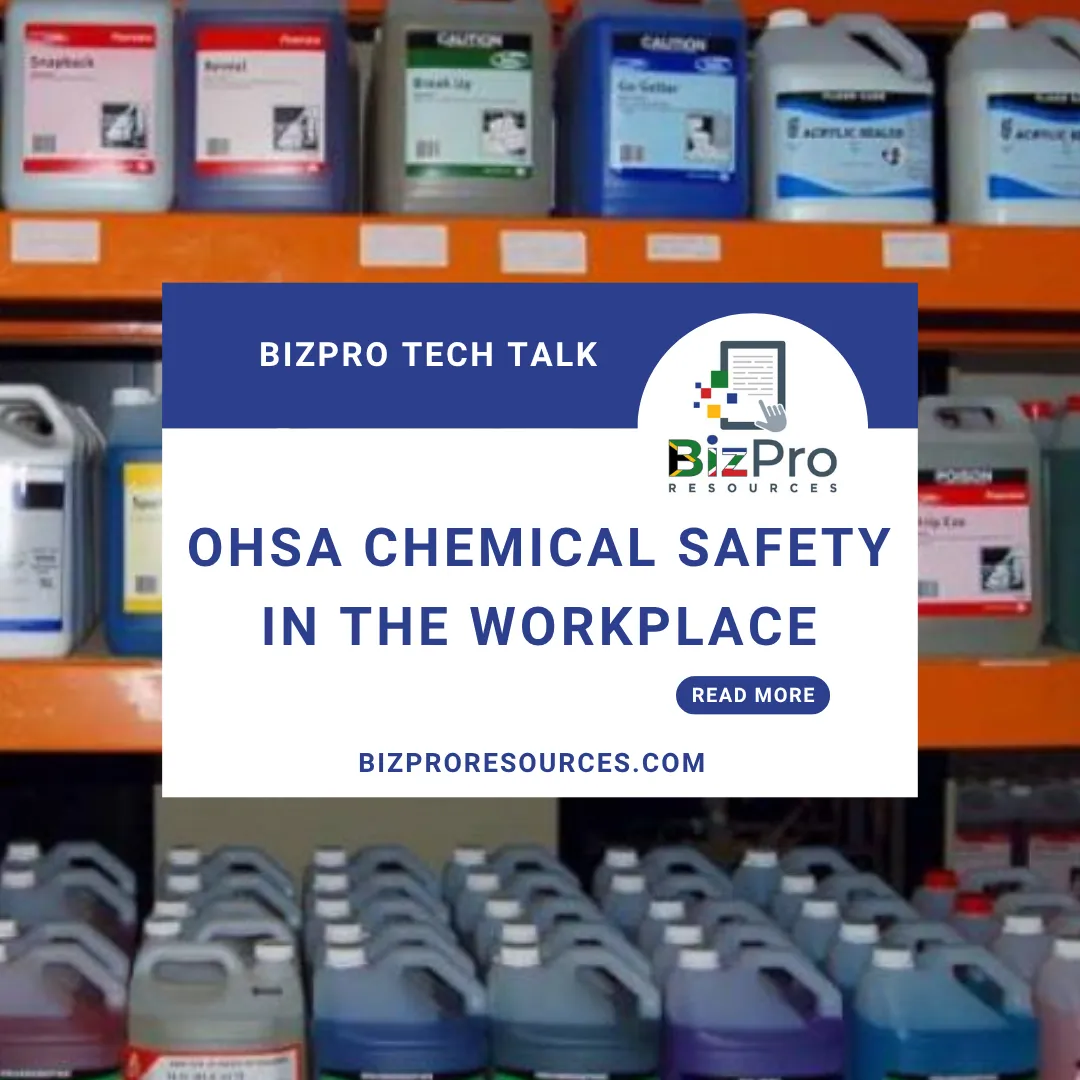
OHS: Chemical Safety in the Workplace: Cleaning Chemicals, Solvents, and Safe Storage
Article #16 of #25 in the Occupational Health and Safety Series
Phase 2: Practical Health and Safety Topics
Introduction
When small business owners think about workplace chemicals, they sometimes imagine only factories, laboratories, or large industrial sites. In reality, chemical safety is relevant to a much wider range of businesses. A restaurant may use degreasers, sanitisers, dishwashing chemicals, and gas for cooking equipment. A cleaning business may handle strong detergents, disinfectants, and toilet cleaners every day. A salon may use hair chemicals, acetone, and cleaning products. A workshop may use solvents, lubricants, paint thinners, and fuel. An office may store printer chemicals, cleaning sprays, and maintenance products. Even a retail store may keep cleaning chemicals, pest control products, or flammable items in a back room.
Because many of these products are familiar and used regularly, they are often treated as harmless. That is one of the biggest chemical safety mistakes small businesses make. A product does not need to be rare, highly technical, or industrial to be dangerous. Everyday chemicals can burn skin, irritate eyes, damage the lungs, cause headaches, trigger asthma, create a fire risk, react dangerously when mixed, or make an employee ill if handled, stored, or used incorrectly. Some products are hazardous because of their fumes. Others are dangerous because they are corrosive, flammable, toxic, pressurised, or harmful to the environment.
Chemical incidents in small businesses are often preventable. A worker may mix two incompatible cleaning products and release dangerous fumes. A solvent may be stored near a heat source. A bottle may be decanted into an unlabelled container and later mistaken for something else. A cleaner may use a chemical in a poorly ventilated room without gloves or eye protection. A container may leak into a food storage area or onto a floor, creating both exposure and slip hazards. These incidents do not always happen because the business uses “extreme” chemicals. They often happen because the business uses ordinary products without enough attention to safe storage, labelling, handling, training, and emergency planning.
For South African small businesses, chemical safety is not about making every workplace look like a laboratory. It is about understanding what chemicals are present, what harm they can cause, how employees may be exposed, and what simple controls are needed to reduce risk. That may include proper storage, good ventilation, correct labelling, using personal protective equipment where needed, keeping incompatible chemicals apart, training employees on safe use, and knowing what to do in the event of a spill, splash, or accidental exposure.
In this article, we will look at the common chemical risks small businesses face, the types of harm workplace chemicals can cause, how to store and handle them more safely, and the practical steps employers can take to control chemical hazards in everyday operations.
Why Chemical Safety Matters in Small Businesses
Chemical safety matters because hazardous products can affect employees, customers, contractors, and the business itself. Chemical exposure can happen through:
breathing in fumes, vapours, mists, or dust
skin contact
splashes to the eyes
accidental swallowing
fire or explosion
contamination of food, surfaces, equipment, or stock
The effect may be immediate, such as a chemical burn, breathing difficulty, or dizziness. It may also build over time through repeated exposure, especially if workers handle chemicals every day without proper controls.
Poor chemical safety can lead to:
skin burns and irritation
eye injuries
breathing problems
headaches, nausea, or dizziness
allergic reactions or asthma triggers
poisoning
fires and explosions
damage to surfaces, stock, equipment, or food products
environmental contamination
legal and compliance problems if hazardous substances are poorly managed
Common Chemicals Found in Small Businesses
Many small businesses use more chemicals than they realise. Examples include:
Cleaning and hygiene products
bleach
disinfectants
sanitisers
toilet cleaners
drain cleaners
floor cleaners
degreasers
oven cleaners
descalers
Workshop, technical, and maintenance chemicals
solvents
paint thinners
lubricants
adhesives
sealants
fuel
aerosols
battery chemicals
rust removers
Food and hospitality chemicals
dishwashing chemicals
kitchen degreasers
sanitising chemicals
gas cylinders for cooking equipment
pest control chemicals
Salon and personal care chemicals
hair colouring products
acetone
disinfectants
chemical treatments
cleaning products for tools and surfaces
Office and retail chemicals
printer or toner-related substances
cleaning sprays
pest control products
air freshener aerosols
maintenance products
The fact that a product is sold commercially or commonly used does not automatically make it safe in every situation.
Types of Chemical Hazards Small Businesses Should Understand
Not all chemicals are dangerous in the same way. A business should understand the main type of hazard presented by each product it uses.
Corrosive chemicals
These can burn or damage skin, eyes, and some surfaces. Strong cleaners, drain products, and some industrial chemicals may fall into this category.
Irritant chemicals
These may not cause a deep burn but can still irritate the skin, eyes, nose, or throat.
Flammable chemicals
These can catch fire easily or give off vapours that ignite. Solvents, fuels, aerosols, and some cleaning agents may be flammable.
Toxic or harmful chemicals
These can cause illness if swallowed, inhaled, or absorbed through the skin.
Chemicals that release dangerous fumes
Some products give off strong vapours during use. Others become especially dangerous if mixed with the wrong product.
Pressurised products
Aerosol cans and gas cylinders carry additional risks if damaged, heated, or stored incorrectly.
A Major Risk: Mixing Incompatible Chemicals
One of the most dangerous mistakes in small businesses is mixing chemicals without understanding how they react. For example, some cleaning products can release toxic gases when mixed. Others can create heat, splashing, or violent reactions.
Common unsafe behaviours include:
mixing products to “make them stronger”
pouring different chemicals into the same bucket or spray bottle without checking compatibility
topping up one chemical container with another product
using leftover unlabelled chemicals without knowing what they are
Employees should be trained never to mix chemicals unless the product instructions clearly allow it and the business knows it is safe to do so.
Chemical Exposure Can Happen in Simple Daily Tasks
Small businesses sometimes assume exposure only happens during large spills or industrial work. In reality, exposure can happen during normal tasks such as:
spraying a cleaner in a small bathroom
decanting a solvent into a smaller container
cleaning a kitchen floor with a strong degreaser
using bleach in a poorly ventilated area
handling fuel or lubricants during maintenance
washing tools with chemicals
opening a damaged container
clearing a blocked drain with a corrosive product
This is why everyday chemical tasks deserve proper safety attention.
Safe Chemical Storage: One of the Most Important Controls
Poor storage creates many chemical safety problems. A product that is reasonably safe when used correctly can become much more dangerous if it is stored badly.
Good chemical storage should include the following:
1. Keep chemicals in their original containers where possible
Original containers usually include the product name, hazard warnings, instructions, and important safety information. Decanting into unmarked bottles creates confusion and can lead to misuse.
2. Make sure containers are clearly labelled
If a chemical must be transferred to another container for a valid work reason, that container should still be clearly labelled so employees know exactly what it contains and what precautions apply.
3. Store chemicals away from food and food-contact items
Cleaning chemicals, pest control products, and solvents should never be stored with food, ingredients, utensils, or food packaging.
4. Separate incompatible chemicals
Some chemicals should not be stored together because of the risk of reaction, contamination, or dangerous fumes if one leaks.
5. Store flammable products away from ignition sources
Flammable chemicals should be kept away from heat, sparks, flames, and other ignition sources.
6. Prevent leaks, spills, and unauthorised access
Containers should be closed properly, stored securely, and protected from damage. Storage areas should not allow products to be knocked over easily.
7. Keep storage areas ventilated where needed
Poor ventilation can allow fumes to build up, especially in small enclosed rooms.
8. Avoid excessive stockpiling
Do not keep more hazardous chemical stock than the business reasonably needs if storage controls are limited.
Safe Handling of Workplace Chemicals
Storage is only one part of chemical safety. Employees also need to handle chemicals correctly during use.
Good handling practices include:
reading the label and instructions before use
using the correct dilution or mixing instructions where applicable
never mixing chemicals unless specifically authorised and safe
avoiding splashing, careless pouring, or rough handling
keeping lids on containers when not in use
using the product only for its intended purpose
washing hands after handling chemicals where appropriate
keeping chemicals away from children, customers, or unauthorised persons
cleaning up spills promptly and safely
The Role of Ventilation
Some chemicals are mainly dangerous because of the fumes they release. Ventilation is therefore an important control. In small businesses, poor ventilation is often a hidden problem because the product may be used in:
a small bathroom
a storeroom
a kitchen corner
a workshop area with closed doors
a salon treatment room
a cleaning cupboard
Where fumes, vapours, or strong odours are present, the business should consider whether the area has enough airflow to reduce exposure.
Personal Protective Equipment (PPE) for Chemical Safety
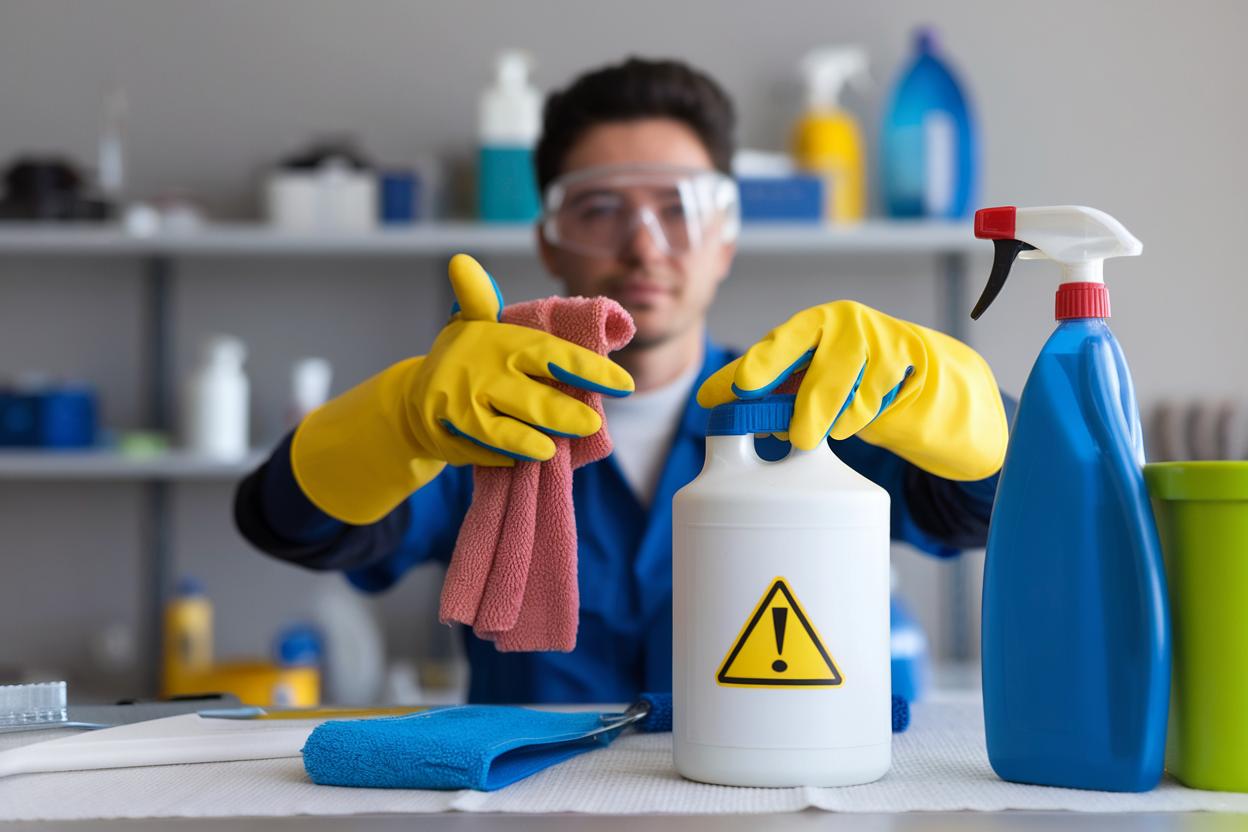
Some chemical tasks require personal protective equipment. The correct PPE depends on the chemical and the type of work being done. Depending on the risk, PPE may include:
chemical-resistant gloves
eye protection
aprons or protective clothing
face protection
suitable respiratory protection where required
PPE should never be treated as the only control if the real problem is poor storage, poor ventilation, bad work methods, or unnecessary exposure. However, where PPE is needed, it should be suitable for the chemical involved and employees should know how to use it correctly.
Why Labels and Safety Information Matter
Chemical labels are not just marketing stickers. They often contain important information about:
the product name
hazard warnings
safe handling instructions
storage requirements
first aid information
what to do in the event of exposure
whether the product is flammable, corrosive, or otherwise hazardous
Where possible, businesses should also keep access to the relevant Safety Data Sheet (SDS) for hazardous products. An SDS gives more detailed information about the chemical, its hazards, safe use, first aid, spill response, and storage precautions.
Spill Response and Emergency Preparedness
Small businesses should think ahead about what they would do if:
a bottle leaks
a container breaks
a chemical splashes into someone’s eye
an employee inhales strong fumes
a flammable chemical catches fire
a chemical is spilled in a food area or customer space
The exact response depends on the chemical, but basic preparation may include:
knowing where the product label or SDS is
having cleaning materials or spill equipment suitable for the product
knowing whether the area should be ventilated or isolated
making sure first aid arrangements are in place
knowing when medical attention is needed
knowing how to report and investigate the incident
Training Employees on Chemical Safety
Employees do not need a chemistry degree to work safely with chemicals, but they do need practical training on the products they use. Training should cover:
what chemicals are used in the workplace
what the main hazards are
how to read labels and instructions
what PPE is required and when
why chemicals must not be mixed without authorisation
how to store products safely
what to do in the event of a spill or splash
how to report damaged containers, leaks, or unsafe practices
Training is especially important where employees clean regularly, use strong products, work in kitchens, handle solvents, or decant chemicals into smaller containers.
Common Chemical Safety Mistakes Small Businesses Make
1. Treating familiar products as harmless
Bleach, degreasers, aerosols, and solvents may be common, but they can still be dangerous.
2. Storing chemicals in unlabelled bottles
This creates a serious risk of misuse, accidental exposure, and dangerous mixing.
3. Keeping chemicals in food or drink containers
This is especially dangerous because someone may mistake the contents for something safe.
4. Allowing employees to mix chemicals without clear guidance
This can lead to toxic fumes, splashes, or chemical reactions.
5. Storing flammable products near heat or ignition sources
This increases fire and explosion risk.
6. Ignoring ventilation during chemical use
Even a product that seems routine can create harmful fumes in a small enclosed space.
7. Failing to provide gloves or eye protection where needed
A splash injury can happen very quickly during cleaning or maintenance work.
Practical Examples from Small Business Environments
Restaurant or catering business
The business may use degreasers, sanitisers, dishwashing chemicals, and gas cylinders. Risks include chemical splashes, mixing products, storing chemicals near food, and poor ventilation in cleaning areas.
Cleaning business
Employees may handle strong disinfectants, toilet cleaners, and floor chemicals daily. Safe dilution, PPE, labelling, and transport of chemicals become especially important.
CCTV or technical services business
Technicians may use solvents, adhesives, battery-related products, aerosols, and cleaning chemicals. Safe storage in vehicles and workshops is often an important control.
Office environment
Even an office may store cleaning sprays, maintenance chemicals, printer products, and pest control substances. These still need proper labelling, storage, and safe use.
Final Thoughts
Chemical safety in a small business is not only about dangerous-looking industrial substances. It includes many of the everyday products that businesses use for cleaning, maintenance, technical work, food preparation, hygiene, and repairs. These chemicals can still burn skin, damage eyes, affect breathing, create fire risk, or cause illness if they are mixed, stored, handled, or used incorrectly. That is why small business owners should not assume that a product is safe simply because it is common.
For South African small businesses, the most effective chemical safety controls are often practical and manageable: know what chemicals are on site, keep them labelled, store them properly, separate incompatible products, keep flammables away from heat, improve ventilation where needed, provide the right protective equipment, and train employees on safe use. Businesses should also prepare for spills, splashes, and accidental exposure rather than assuming these incidents will never happen.
A well-managed chemical safety system does not need to be complicated, but it does need to be deliberate. When small businesses take chemical hazards seriously, they protect employees, reduce the risk of injuries and fires, and create a workplace that is safer, more organised, and more compliant overall.
In the next article, we will look at contractors, visitors, and customers on site, including how small businesses can manage safety responsibilities for people who are not direct employees but still enter the workplace.
Related Articles in the Occupational Health and Safety Series
Phase 1: Foundation and Legal Basics
OHS for Small Businesses - An Overview
OHS Act: What Every Small Business Needs to Know
How to Do a Health and Safety Risk Assessment
Creating a Simple OHS Policy and Assigning Responsibilities
Workplace Safety Training and Induction for Employees
First Aid Requirements and Emergency Preparedness
Personal Protective Equipment (PPE)
Incident Reporting and Investigating Workplace Accidents
Workplace Inspections and Safety Checklists
Phase 2: Practical Health and Safety Topics
Manual Handling and Lifting Safety
Electrical Safety in the Workplace
Workplace Ergonomics for Office Employees
Ladder Safety and Working at Height
Chemical Safety in the Workplace
Managing Contractors, Visitors, and Customers On Site
Vehicle, Driving, and Delivery Safety
Workplace Violence, Aggression, and Conflict
Smoking, Vaping, and Substance Use in the Workplace
Young Workers, Temporary Staff, and Vulnerable Employees
Heat, Sun, and Outdoor Work Safety
Rain, Storms, and Severe Weather Safety
Working in Clients' Homes and Customer Premises
AI Disclaimer
AI Tools were used to assist with research. Remember to always cross-check everything that you read.


