OHS: Slips, Trips, and Falls: Preventing Everyday Workplace Injuries
Article #13 of #25 in the Occupational Health and Safety Series
Phase 2: Practical Health and Safety Topics
Introduction
When people think about workplace injuries, they often imagine dramatic accidents such as a major fire, a machine-related injury, or a fall from a ladder. Those incidents are certainly serious, but in many small businesses the more common danger is much less dramatic. It is the ordinary slip on a wet floor, the trip over a loose cable, the stumble on a broken step, or the fall caused by clutter left in a walkway. These incidents may seem minor when compared with more obvious hazards, yet they are among the most common causes of workplace injuries across many different industries.
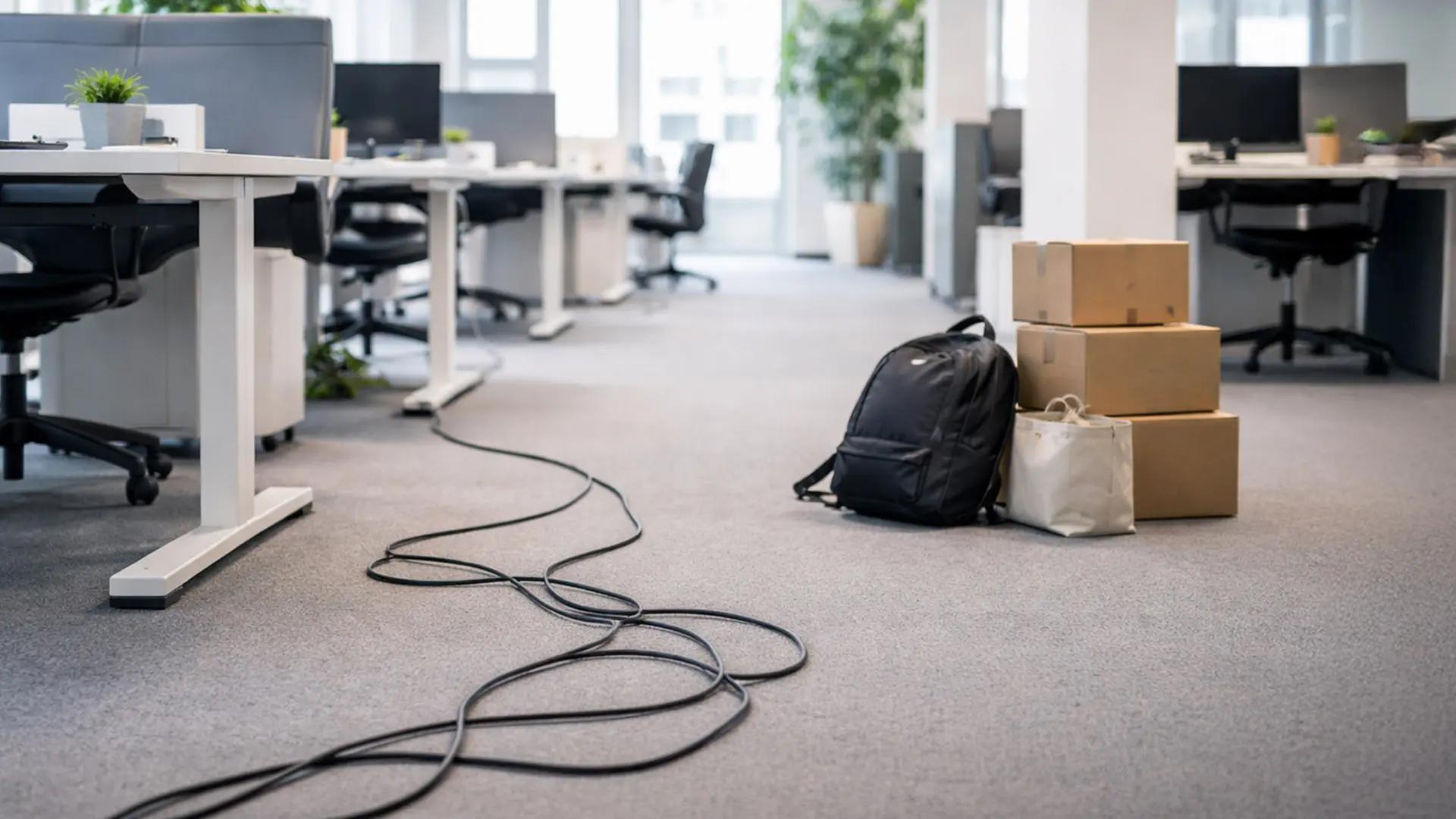
A slip, trip, or fall can happen in almost any work environment. A customer may slip on a wet entrance floor during rain. A cleaner may trip over equipment left in a passage. A retail employee may fall while carrying stock through a cluttered storeroom. A technician may stumble over cables at a client site. A kitchen worker may slip on oil or water. An office employee may trip over a bag, box, or extension lead under a desk. Because these incidents are so common and often involve familiar workplace conditions, businesses sometimes underestimate how costly and disruptive they can be.
The effects of a slip, trip, or fall can range from a minor bruise to a serious injury such as a broken bone, back injury, head injury, sprain, or long-term joint problem. Even when the injury is not severe, the business may still face lost working time, reduced productivity, medical costs, damaged stock or equipment, and possible reputational or legal consequences if customers, visitors, or contractors are involved. In some cases, what looked like a “small fall” can have a major effect on the injured person’s health and ability to work.
The good news is that slips, trips, and falls are often highly preventable. They usually do not happen without warning. There is often a visible cause such as poor housekeeping, a spill, damaged flooring, poor lighting, badly stored stock, unsuitable footwear, or a cable left in the wrong place. This means small business owners have a real opportunity to reduce risk through simple, practical controls. Better housekeeping, faster spill response, routine inspections, safer storage, cable management, maintenance of floors and stairs, and employee awareness can all make a significant difference.
In this article, we will look at the common causes of slips, trips, and falls in small businesses, the injuries they can cause, the areas where risk is often highest, and the practical steps employers can take to prevent these everyday but costly incidents.
What Is the Difference Between a Slip, Trip, and Fall?
These three terms are often grouped together, but they are slightly different.
A slip usually happens when there is too little grip or traction between the person’s footwear and the walking surface. This often happens on wet, oily, dusty, or polished floors.
A trip usually happens when a person’s foot hits or catches on something, such as a cable, uneven surface, step edge, loose tile, box, or clutter in a walkway.
A fall is the result of losing balance and ending up on the ground or another lower level. Falls can happen after a slip or trip, but they can also happen from ladders, steps, loading areas, or raised platforms.
In everyday small business safety, these risks often overlap. A wet floor may cause a slip, poor lighting may make a trip hazard harder to see, and carrying a load may make it more difficult for an employee to recover balance once something goes wrong.
Why Slips, Trips, and Falls Matter So Much
Because these incidents are so common, they are sometimes treated as unavoidable. In reality, they matter because they can affect almost every type of business and every category of worker, from office staff and shop assistants to cleaners, technicians, kitchen staff, drivers, and visiting contractors.
They matter because they can cause:
cuts and bruises
sprains and strains
back injuries
knee, ankle, and wrist injuries
broken bones
head injuries
time off work
lost productivity
customer or visitor injury claims
damage to stock, equipment, or products being carried at the time
A slip or trip can also trigger a second accident. For example, a person carrying a sharp tool, hot liquid, or heavy load may suffer a more serious injury when they fall.
Common Causes of Slips, Trips, and Falls in Small Businesses
One of the reasons these incidents are so preventable is that the causes are often very practical and visible. Common causes include the following.
1. Wet or slippery floors
This is one of the biggest causes of slips in many workplaces. Floors may become slippery because of:
spilled drinks or food
water tracked in during rainy weather
cleaning without proper drying or warning signs
oil, grease, or chemicals
leaks from fridges, freezers, plumbing, or air-conditioning units
recently mopped entrances, kitchens, or bathrooms
2. Poor housekeeping
Clutter is one of the most common trip hazards in small businesses. Examples include:
boxes left in walkways
stock placed in passages
rubbish bags or cleaning equipment left out
tools left on the floor
loose packaging materials
bags or personal items under desks or near workstations
3. Cables and cords across walking routes
Extension leads, charging cables, printer cables, and equipment cords often create trip hazards, especially in offices, retail spaces, salons, technical work areas, and temporary work setups.
4. Damaged or uneven floors
Trips can happen because of:
broken tiles
loose mats
torn carpets
uneven paving
potholes in parking or loading areas
damaged stair edges
worn floor surfaces
5. Poor lighting
If people cannot see where they are walking clearly, they are more likely to miss a spill, cable, step, or change in floor level.
6. Unsafe storage
Stock or equipment stored badly can create trip hazards directly, but it can also force employees to walk awkwardly, carry loads through narrow spaces, or reach into cluttered areas where balance is poor.
7. Inappropriate footwear
In some work environments, footwear matters a great deal. Slippery soles, worn-out shoes, or unsuitable footwear for kitchens, wet areas, workshops, or outdoor work can increase risk.
8. Rushing and distraction
People are more likely to slip or trip when they are:
rushing to serve customers
carrying too much at once
looking at a phone or paperwork while walking
distracted by conversation
trying to multitask while moving through the workplace
High-Risk Areas in Small Businesses
While slips, trips, and falls can happen anywhere, some areas often present higher risk.
Entrances and reception areas
These areas are common problem spots because of wet shoes during rain, mats that move, and customer traffic.
Kitchens and food preparation areas
Water, oil, grease, food waste, and fast-paced movement make these areas especially slip-prone.
Storerooms and stock areas
Boxes, ladders, narrow spaces, poor lighting, and rushed stock handling often create trip and fall risks.
Workshops and technical work areas
Tools, cables, equipment, ladders, uneven surfaces, and temporary setups can all contribute to slips and trips.
Offices
Although offices are often seen as low-risk, they still have hazards such as loose cables, bags under desks, open drawers, slippery entrances, and clutter in walkways.
Outdoor areas
Loading zones, parking areas, pathways, ramps, and service yards may have uneven surfaces, water, mud, poor drainage, or poor lighting.
Why Carrying Loads Makes Slips and Trips More Dangerous
Carrying stock, tools, food trays, cleaning supplies, files, or equipment can make slip and trip risks worse because the load may:
block the person’s view
affect balance
make it harder to hold a handrail
reduce the ability to react if the floor is slippery
increase injury severity if the person falls while holding it
This is why manual handling safety and slip/trip prevention are often closely connected.
Practical Ways to Prevent Slips, Trips, and Falls
The best approach is to focus on the physical causes of the problem and make the workplace easier to move through safely.
1. Keep floors clean and dry
Spills should be cleaned promptly and properly. If a floor has just been cleaned and is still wet, warning signs should be used where appropriate and people should be kept away if possible until the surface is safe.
The business should also deal with recurring floor problems such as:
leaking equipment
poor drainage
repeated water at entrances
grease build-up in food areas
2. Improve housekeeping standards
Good housekeeping is one of the most effective controls for preventing trips. This includes:
keeping walkways clear
storing stock properly
removing rubbish regularly
not leaving tools or cleaning items in passages
making sure deliveries are unpacked or stored promptly
A workplace does not need to be perfect to be safe, but it should not force people to step around clutter just to do normal work.
3. Manage cables properly
Where possible:
keep cables away from walkways
route them behind equipment or along walls
avoid loose extension leads across floors
secure temporary cables if they must cross a route
review whether extra plug points are needed so extension leads are not used badly
4. Repair damaged floors, stairs, and walking surfaces
Broken tiles, uneven paving, loose stair nosings, torn carpets, and unstable mats should be repaired, replaced, or removed. Temporary fixes that create a new hazard are not enough.
5. Improve lighting
Walkways, entrances, storerooms, stairs, parking areas, and back-of-house work areas should be well lit so hazards can be seen clearly.
6. Use suitable mats and entrance controls
At entrances, especially in rainy weather, the business may need:
absorbent entrance mats
regular cleaning and drying of floors
monitoring of customer areas
prompt attention to water brought in from outside
Mats themselves must also be stable and not become trip hazards.
7. Encourage suitable footwear where relevant
In some workplaces, especially kitchens, workshops, cleaning environments, outdoor work areas, and certain technical roles, employees may need footwear with better grip and appropriate support.
8. Avoid rushing and overloading employees
When staff are constantly rushed, they are more likely to carry too much, ignore a spill, step around clutter, or take shortcuts through unsafe areas. Good supervision and realistic workflow planning can help.
The Importance of Inspections and Early Reporting
Slips, trips, and falls are easier to prevent when hazards are found early. Routine workplace inspections should include checks for:
wet floor risks
damaged flooring
blocked walkways
poor cable management
poor lighting
loose mats
cluttered storage areas
damaged stairs or handrails
outdoor walking hazards
Employees should also be encouraged to report:
spills and leaks
loose tiles or broken steps
recurring slippery areas
unsafe cables
poor lighting
clutter that cannot be resolved easily
A trip hazard that is reported and fixed early is much better than waiting until someone falls.
Training Employees to Prevent Everyday Falls
Employee training does not need to be complicated, but it should make expectations clear. Staff should know:
to clean or report spills promptly
not to leave stock, tools, or bags in walkways
to report damaged flooring, stairs, or lighting
to avoid running or rushing through unsafe areas
to use ladders properly instead of climbing on chairs or unstable objects
to carry loads safely and ask for help if a load blocks vision or affects balance
to report near misses as well as actual injuries
Training should also explain that customer and visitor safety matters too, not only employee safety.
Common Mistakes Small Businesses Make
1. Treating slips and trips as “just bad luck”
In many cases, there is a clear cause that could have been addressed.
2. Cleaning spills too slowly or not controlling the area
A small spill can cause a serious fall if nobody responds quickly.
3. Accepting clutter as normal
If people have to walk around stock, boxes, cords, or tools every day, the risk is already too high.
4. Ignoring damaged floors or loose mats because they are “not too bad yet”
These are classic trip hazards that often get worse over time.
5. Forgetting about customer and visitor areas
Reception areas, shop floors, entrances, and waiting spaces need the same attention as staff-only areas.
6. Using chairs or unstable objects instead of proper access equipment
This creates fall risk and often turns a simple task into a more serious incident.
Examples of Slip, Trip, and Fall Risks in Different Small Businesses
Retail business
Common risks may include:
wet entrance floors during rain
boxes in storerooms
ladders used during stocking
stock left in customer walkways
loose display cables
Catering or restaurant business
Common risks may include:
wet and greasy kitchen floors
trays and containers carried through busy areas
cleaning in service areas
hot liquids combined with slip risk
clutter in back-of-house storage
Technical services business
Common risks may include:
loose cables and tools
uneven outdoor surfaces at client sites
ladders and access equipment
carrying heavy equipment through unfamiliar spaces
wet or dusty work areas
Office business
Common risks may include:
loose laptop or printer cables
bags under desks
boxes of paper in walkways
slippery tiled entrances
poor housekeeping in storerooms or archives
Final Thoughts
Slips, trips, and falls may seem like ordinary workplace problems, but they can lead to very real injuries, lost time, damaged equipment, customer incidents, and avoidable costs for a small business. The fact that these incidents are so common does not make them normal or acceptable. In most cases, they happen because of visible and practical issues such as wet floors, poor housekeeping, loose cables, bad storage, damaged flooring, poor lighting, or rushed work.
For South African small business owners, preventing these incidents is usually not about expensive safety systems. It is about good daily habits and consistent workplace control. Clean spills quickly, keep walkways clear, manage cables properly, maintain floors and stairs, improve lighting, and make sure employees understand their role in preventing hazards. Small changes in housekeeping, maintenance, and supervision can prevent many of the most common injuries businesses face.
It is also important to remember that slip, trip, and fall prevention is not only about employee safety. Customers, visitors, delivery drivers, contractors, and other people entering the workplace can also be affected by unsafe walking surfaces and poor housekeeping. A business that manages these everyday risks well is often a business that is more organised, more professional, and safer overall.
In the next article, we will look at workplace ergonomics for office and desk-based employees, including posture, workstation setup, repetitive strain, screen use, and simple adjustments that can reduce discomfort and long-term injury risk in office environments.
Related Articles in the Occupational Health and Safety Series
Phase 1: Foundation and Legal Basics
OHS for Small Businesses - An Overview
OHS Act: What Every Small Business Needs to Know
How to Do a Health and Safety Risk Assessment
Creating a Simple OHS Policy and Assigning Responsibilities
Workplace Safety Training and Induction for Employees
First Aid Requirements and Emergency Preparedness
Personal Protective Equipment (PPE)
Incident Reporting and Investigating Workplace Accidents
Workplace Inspections and Safety Checklists
Phase 2: Practical Health and Safety Topics
Manual Handling and Lifting Safety
Electrical Safety in the Workplace
Workplace Ergonomics for Office Employees
Ladder Safety and Working at Height
Chemical Safety in the Workplace
Managing Contractors, Visitors, and Customers On Site
Vehicle, Driving, and Delivery Safety
Workplace Violence, Aggression, and Conflict
Smoking, Vaping, and Substance Use in the Workplace
Young Workers, Temporary Staff, and Vulnerable Employees
Heat, Sun, and Outdoor Work Safety
Rain, Storms, and Severe Weather Safety
Working in Clients' Homes and Customer Premises
AI Disclaimer
AI Tools were used to assist with research. Remember to always cross-check everything that you read.


