
OHS: Electrical Safety in the Workplace: Cords, Plugs, Equipment, and Overloaded Circuits
Article #12 of #25 in the Occupational Health and Safety Series
Phase 2: Practical Health and Safety Topics
Introduction
Electricity is part of everyday business life. It powers lights, computers, tills, Wi-Fi routers, printers, CCTV systems, alarms, fridges, freezers, point-of-sale devices, kettles, microwaves, power tools, chargers, and many other pieces of equipment that small businesses rely on every day. Because electricity is so normal and familiar, it is easy to stop thinking about it as a workplace hazard. Yet electrical problems can lead to electric shock, burns, fires, damaged equipment, downtime, and in severe cases, serious injury or death.
For small business owners, electrical safety is often seen as something that only matters in factories, workshops, or technical trades. In reality, electrical hazards exist in almost every type of business. A salon may have multiple hairdryers, straighteners, extension leads, and plug points in daily use. A retail store may run tills, display lighting, fridges, and chargers from a limited number of outlets. A catering business may use kettles, microwaves, hotplates, mixers, and refrigeration equipment in a busy kitchen environment where water is present. An office may seem low-risk, but overloaded multiplugs, damaged laptop chargers, loose plugs, and poorly placed cables can still create serious risks. A technical services business, of course, may face even greater exposure because employees regularly work with tools, batteries, power supplies, and installations.
One of the reasons electrical safety is so important is that many hazards start small and are easy to ignore. A plug becomes hot but still works. A cable is slightly damaged but someone wraps insulation tape around it instead of replacing it. A multiplug is overloaded because there are not enough wall sockets. An extension lead is run under a mat or across a doorway. A fridge trips the power now and then, but nobody investigates properly. A worker uses electrical equipment near water because “it will only take a minute.” These situations are common in real workplaces, and they are exactly the kinds of small warning signs that can turn into shocks, fires, damaged equipment, or expensive interruptions if the business does not respond.
The good news is that basic electrical safety is not only for electricians. While installation, repairs, and technical electrical work should be left to qualified people, small business owners can do a great deal to reduce everyday electrical risks. Simple habits such as checking cords and plugs, avoiding overloaded circuits, keeping water away from electrical equipment, removing damaged items from use, and teaching employees how to report electrical problems can make a major difference.
In this article, we will look at common electrical hazards in small businesses, why overloaded circuits and damaged cords are dangerous, what owners and employees should check, how to manage everyday electrical equipment more safely, and when a qualified electrician should be involved.
Why Electrical Safety Matters in Small Businesses
Electricity can cause harm in more than one way. The most obvious risk is electric shock, which can happen if a person touches live electrical parts, damaged wiring, exposed conductors, or faulty equipment. Depending on the voltage, the condition of the equipment, and the circumstances, electric shock can cause anything from a mild jolt to severe burns, heart problems, muscle injury, loss of consciousness, or death.
Another major risk is fire. Electrical fires can start because of overloaded circuits, faulty plugs, damaged extension leads, overheating appliances, poor repairs, or defective equipment. A small electrical fault may start behind a counter, under a desk, inside a storeroom, or near stock and packaging materials. By the time smoke or flames are noticed, the fire may already be spreading.
Electrical hazards can also cause:
burns from overheated equipment or short circuits
damage to expensive business equipment
loss of stock if refrigeration or systems fail
interruptions to operations and customer service
injuries caused by tripping over poorly placed cables
damage to premises or customer property
Common Electrical Hazards in the Workplace
Small business owners do not need to understand advanced electrical engineering to identify everyday risks. Many electrical hazards are visible if people know what to look for.
1. Damaged cords and plugs
Electrical cords and plugs are among the most common sources of workplace electrical problems. Damage may include:
cracked plug tops
loose plugs
exposed wires
frayed cable insulation
taped-up cords
crushed cables
burn marks
broken earth pins
cords damaged by doors, furniture, wheels, or sharp edges
A damaged cord or plug should never be treated as a minor inconvenience. If it is damaged, it should be removed from use and dealt with properly.
2. Overloaded plug points and circuits
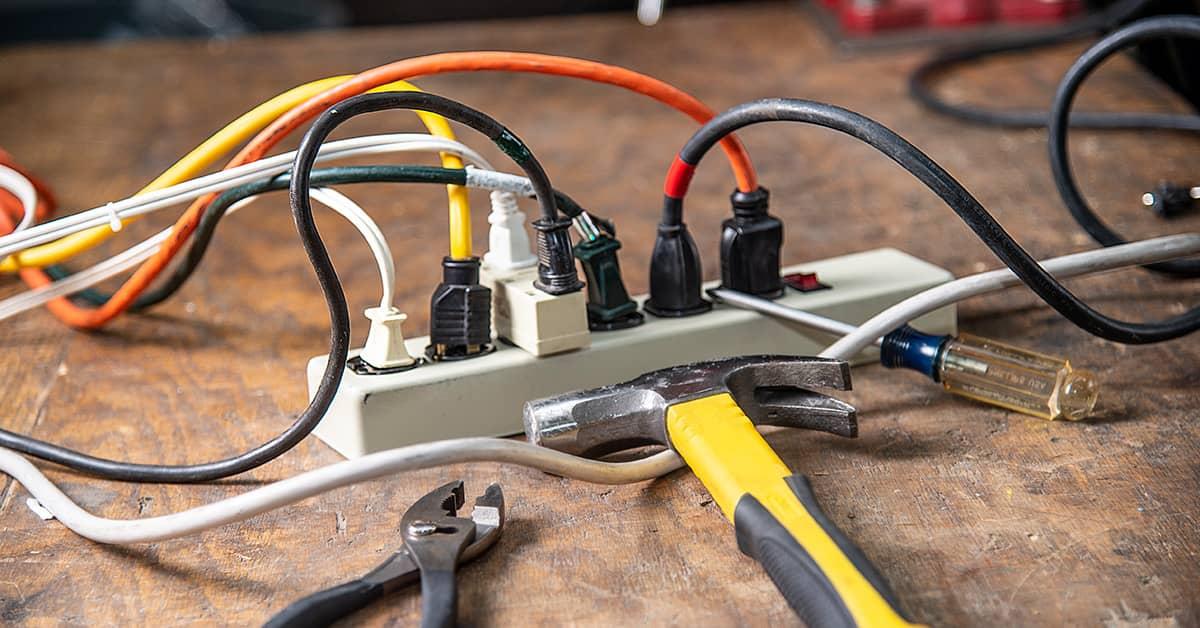
Overloading happens when too many devices are plugged into one outlet, multiplug, or extension lead, or when equipment that draws high power is connected to a setup not designed for it.
This is common in:
offices with many chargers, laptops, heaters, and printers
retail spaces with tills, displays, routers, and refrigeration
kitchens using kettles, microwaves, fridges, and small appliances
salons using hairdryers, straighteners, and other powered tools
workshops using power tools and chargers
Overloading can cause overheating, tripping, equipment damage, and fire risk.
3. Extension leads used badly
Extension leads are useful, but they are often misused. Common problems include:
using them as permanent wiring instead of a temporary solution
daisy-chaining multiple extension leads together
running them through walkways where they create trip hazards
placing them under rugs, mats, or heavy furniture
using them outdoors when they are not suitable for that purpose
plugging high-load equipment into lightweight domestic extension leads
4. Electrical equipment used near water or wet areas
Water and electricity are a dangerous combination. Electrical risk increases where:
floors are wet
sinks are nearby
cleaning is taking place
kettles, dishwashing, food preparation, or salon washing stations are used
employees use equipment with wet hands
5. Faulty appliances and equipment
A kettle that trips the power, a microwave that sparks, a printer with a burning smell, a fridge with damaged wiring, or a power tool that gives a tingling sensation are all warning signs that should be taken seriously.
6. Improvised or unqualified repairs
A dangerous habit in some small businesses is trying to “make a plan” with electrical problems. This may include:
taping damaged wires
forcing loose plugs to stay in place
bypassing damaged fittings
asking an unqualified person to repair electrical issues
using homemade connections or adaptors
These shortcuts can create serious risk.
7. Cables across floors and walkways
Even when a cable is not electrically damaged, poor cable management can still create danger. Loose cords across walkways can cause slips, trips, and falls. If the cable is then pulled, crushed, or damaged, the electrical risk becomes even greater.
How Overloaded Circuits Become a Problem
An overloaded circuit happens when the total electrical demand placed on a plug point, extension lead, or circuit is more than it is designed to handle safely. When too many appliances or high-power devices are connected, the system can overheat.
This may lead to:
hot plugs or hot extension leads
repeated tripping of circuit breakers
flickering power
a burning smell
melted plug tops or sockets
fire risk
damage to equipment
In a small business, overloading often happens because the workspace was not designed for the number of devices now in use. As the business grows, more equipment is added, but the electrical setup is not reviewed. Staff then solve the problem by adding more multiplugs and extension leads, which increases the risk.
Warning Signs That Should Never Be Ignored
Employees and managers should know the warning signs of electrical trouble. These include:
plugs, adaptors, or extension leads that feel hot
scorch marks or discolouration on plugs or sockets
flickering lights linked to equipment use
repeated tripping of power
buzzing, crackling, or sparking
a burning smell near electrical equipment
damaged or frayed cords
exposed wires
equipment that shocks, tingles, or behaves strangely
plugs that fit loosely or fall out
water leaks near electrical points or appliances
These signs should trigger immediate action, not a decision to “watch it for now.”
Everyday Electrical Safety Rules for Small Businesses
A practical electrical safety system does not need to be complicated, but it does need clear rules and consistent action.
1. Check cords, plugs, and equipment regularly
Employees should be encouraged to look for obvious damage before using equipment, especially equipment that is moved often or used heavily. Managers or supervisors should also include electrical checks in workplace inspections.
Look for:
frayed or cut insulation
bent pins
loose plug tops
taped repairs
overheating marks
broken casings
cables pinched under furniture or doors
2. Remove damaged equipment from use immediately
If an item is damaged or appears unsafe, it should not stay in service because “it still works.” The safest approach is to label it clearly, unplug it if safe to do so, and keep it out of use until it is repaired or replaced properly.
3. Avoid overloading sockets and extension leads
Do not plug too many devices into one outlet. Be especially careful with high-load appliances such as:
kettles
microwaves
heaters
fridges and freezers
hairdryers and straighteners
power tools
battery chargers for larger equipment
If the business constantly needs extra plugs in one area, it may be time to get the electrical setup reviewed rather than adding more adaptors.
4. Use extension leads properly
Extension leads should be used carefully and not treated as a permanent substitute for proper wiring.
Good practice includes:
using the correct extension lead for the environment and load
avoiding daisy-chaining one extension lead into another
keeping leads away from water
keeping them out of walkways where possible
not running them under mats or carpets
checking them for damage regularly
5. Keep water away from electrical equipment
Where work involves sinks, food preparation, cleaning, or wet conditions, extra care is needed. Employees should avoid handling plugs or appliances with wet hands and should report leaks near electrical equipment immediately.
6. Keep electrical areas accessible
Distribution boards, sockets, and important shut-off points should not be blocked by stock, boxes, furniture, or rubbish. In an emergency, people need to reach them quickly.
7. Use the right equipment for the job
Outdoor work, wet environments, and higher-demand tools may require equipment designed for those conditions. Domestic household items are not always suitable for every business use.
The Role of Housekeeping in Electrical Safety
Electrical safety is closely linked to general housekeeping. A tidy workplace makes it easier to see damaged cords, keep plug points accessible, prevent cables from being crushed, and reduce trip hazards.
Poor housekeeping can create electrical risk when:
cables are buried under stock or waste
liquids are stored near plug points
extension leads run through cluttered areas
dust builds up around electrical equipment
boxes block access to distribution boards or isolators
Good housekeeping is therefore not only about neatness. It is also a practical control measure for electrical safety.
What Employees Should Be Trained to Do
Employees do not need to be electricians, but they should know how to work safely around everyday electrical equipment. Training should cover:
basic electrical hazards in the workplace
how to spot damaged plugs, cords, or equipment
not using equipment that looks unsafe
reporting overheating, sparking, burning smells, or repeated tripping
keeping water away from electrical equipment
not overloading multiplugs or extension leads
not attempting unauthorised repairs
safe use of extension leads and chargers
what to do if someone receives an electric shock or an electrical fire occurs
Employees should also know who to report electrical faults to and what the business’s process is for removing faulty equipment from use.
What to Do if Electrical Equipment Appears Unsafe
If an employee notices a problem such as a damaged cord, hot plug, sparks, burning smell, or repeated tripping, the business should have a simple response process. This may include:
Stop using the equipment.
Switch off or unplug it if it is safe to do so.
Keep other people from using it.
Report the issue immediately to the responsible person.
Label the item as faulty if needed.
Arrange proper inspection, repair, or replacement.
The most important rule is that unsafe electrical equipment should not remain in normal use while people “wait and see.”
When a Qualified Electrician Should Be Involved
Small business owners and employees can do visual checks and basic daily control measures, but certain work should always be handled by a qualified person. This includes:
installing new circuits or plug points
repairing fixed wiring
dealing with repeated circuit trips that are not clearly explained
investigating overheating sockets or burning smells
replacing damaged electrical fittings
fixing DB board issues
inspecting suspected wiring faults
certifying or testing installations where required
any work that employees are not trained or authorised to do safely
Trying to save money by using unqualified electrical work can become far more expensive if it leads to fire, injury, or equipment loss.
Electrical Safety Examples in Different Small Businesses
Small office
Risks may include:
overloaded multiplugs under desks
damaged laptop chargers
kettles and microwaves in staff kitchens
loose cables creating trip hazards
space heaters overloading outlets in winter
Retail shop
Risks may include:
display lighting and tills plugged into limited outlets
extension leads in storerooms
fridges or freezers sharing overloaded circuits
customer areas with loose cables or damaged plugs
Salon or beauty business
Risks may include:
multiple hairdryers and styling tools on shared outlets
appliances used near water
chargers and plug points in busy work areas
damaged cords from repeated handling
Catering or food business
Risks may include:
kettles, microwaves, mixers, and fridges in one area
water near appliances
damaged cords from heat, grease, or cleaning
overloaded sockets during busy periods
Technical services business
Risks may include:
chargers, power tools, extension leads, and testing equipment
damaged leads used on sites
temporary power use at customer premises
battery charging and storage issues
Common Electrical Safety Mistakes Small Businesses Make
1. Keeping damaged equipment in use because it still works
Electrical equipment can remain dangerous even if it has not failed completely.
2. Using too many multiplugs and extension leads instead of fixing the real problem
If a work area needs more power access, the setup may need professional review.
3. Allowing taped or makeshift repairs
Temporary repairs often become permanent hazards.
4. Ignoring hot plugs, burning smells, or repeated tripping
These are warning signs, not small inconveniences.
5. Running cables through walkways and under carpets
This creates both electrical damage risk and trip hazards.
6. Letting unqualified people do electrical repairs
This can make the situation far worse.
Final Thoughts
Electrical safety is one of those workplace issues that can feel ordinary until something goes wrong. A damaged cord, overloaded plug point, faulty appliance, or ignored burning smell may seem small in the moment, but these are exactly the kinds of problems that can lead to shocks, fires, equipment damage, and business disruption. For small businesses, the risk is often not caused by one dramatic mistake. It is caused by everyday habits such as overloading sockets, keeping damaged equipment in use, using extension leads badly, or delaying proper repairs.
The good news is that small business owners can reduce a large part of this risk through simple daily controls. Regular visual checks, quick reporting of faults, removing damaged items from use, managing extension leads properly, keeping water away from electrical equipment, and making sure employees know what to look for are all practical steps that make a real difference. When the business also involves a qualified electrician for installations, repairs, and persistent faults, electrical safety becomes much stronger.
For South African small businesses, the goal is not to turn every owner into an electrical expert. The goal is to build a workplace where obvious hazards are noticed early, unsafe equipment is not ignored, and electrical systems are treated with the respect they deserve. A single avoided shock, fire, or equipment failure can save the business from major cost, downtime, and harm.
In the next article, we will move into a related but slightly different area of workplace health and safety by looking at slips, trips, and falls, including common causes, high-risk areas, and practical steps small businesses can take to prevent these everyday but often costly incidents.
Related Articles in the Occupational Health and Safety Series
Phase 1: Foundation and Legal Basics
OHS for Small Businesses - An Overview
OHS Act: What Every Small Business Needs to Know
How to Do a Health and Safety Risk Assessment
Creating a Simple OHS Policy and Assigning Responsibilities
Workplace Safety Training and Induction for Employees
First Aid Requirements and Emergency Preparedness
Personal Protective Equipment (PPE)
Incident Reporting and Investigating Workplace Accidents
Workplace Inspections and Safety Checklists
Phase 2: Practical Health and Safety Topics
Manual Handling and Lifting Safety
Electrical Safety in the Workplace
Workplace Ergonomics for Office Employees
Ladder Safety and Working at Height
Chemical Safety in the Workplace
Managing Contractors, Visitors, and Customers On Site
Vehicle, Driving, and Delivery Safety
Workplace Violence, Aggression, and Conflict
Smoking, Vaping, and Substance Use in the Workplace
Young Workers, Temporary Staff, and Vulnerable Employees
Heat, Sun, and Outdoor Work Safety
Rain, Storms, and Severe Weather Safety
Working in Clients' Homes and Customer Premises
AI Disclaimer
AI Tools were used to assist with research. Remember to always cross-check everything that you read.


