
OHS: Smoking, Vaping, and Substance Use in the Workplace: Rules, Risks, and Employer Responsibilities
Article #20 of #25 in the Occupational Health and Safety Series
Phase 2: Practical Health and Safety Topics
Introduction
Smoking, vaping, alcohol, and other impairing substances can create difficult questions for small business owners. These issues often sit at the point where health and safety, employee conduct, customer experience, and legal compliance meet. Many employers know that smoking should not happen everywhere in the workplace, and most understand that an employee should not be drunk or under the influence while working. However, when the practical questions start, the situation becomes more complicated. Can employees vape at their desks or in company vehicles? What should a business do if an employee smells strongly of alcohol at work? What if someone is taking medication that causes drowsiness? Can staff smoke near a storeroom, workshop entrance, or customer area? How should a business deal with an employee who uses cannabis privately but comes to work impaired? What if a technician, driver, or machine operator appears unfit for duty?
These are not small questions. They go directly to workplace safety. A person who is impaired by alcohol, drugs, or certain medication may have slower reactions, poor judgement, reduced concentration, and weaker coordination. That can be dangerous in any workplace, but especially where employees drive, work at height, use tools, handle electricity, deal with customers, prepare food, carry out security work, or operate machinery. Smoking and vaping create different kinds of risk. They may expose others to unwanted smoke or vapour, increase fire risk, create hygiene and customer-service concerns, and cause conflict if there are no clear workplace rules.
Small businesses often struggle with this topic because it can feel personal. Smoking is a legal personal habit, and some forms of substance use happen outside working hours. At the same time, an employer has a duty to maintain a safe workplace and protect employees, customers, and the business itself from avoidable harm. The challenge is to manage these issues fairly, consistently, and lawfully without ignoring the real safety risks involved. That requires clear rules, sensible designated areas where appropriate, a practical approach to impairment, and a good understanding of when personal behaviour becomes a workplace safety issue.
For South African small businesses, smoking, vaping, and substance use should be addressed in workplace rules and health and safety planning rather than handled only when a problem occurs. It is much easier to manage a difficult situation when the business already has a policy, staff know the expectations, and managers understand how to respond. That does not mean every business needs a long legal document. It means the business should decide where smoking and vaping are allowed, what “fit for duty” means, how impairment concerns will be handled, and what employees must do if medication or other substances may affect safe work.
In this article, we will look at why smoking, vaping, alcohol, drugs, and other impairing substances matter in workplace safety, what practical risks they create, and how small business owners can manage them in a clear, fair, and safety-focused way.
Why This Topic Matters in Occupational Health and Safety
Smoking, vaping, and substance use are often treated as conduct or lifestyle issues, but they can also be serious health and safety matters. The main reason is simple: these issues can affect other people in the workplace, not only the person involved.
A worker who is impaired by alcohol, cannabis, illegal drugs, or certain medication may:
drive unsafely
make poor decisions
react slowly in an emergency
use equipment incorrectly
lose balance while working at height
mishandle chemicals or tools
make mistakes that put customers or co-workers at risk
Smoking and vaping create different concerns. They may:
expose others to smoke or vapour in shared areas
create a fire risk near flammable materials
cause conflict in customer-facing or indoor workspaces
affect hygiene in food, healthcare, or public-facing environments
lead to confusion if there are no clear rules about where they are allowed
Understanding the Different Issues
Although these topics are often grouped together, they involve different types of risk and should be managed carefully.
Smoking
Smoking mainly raises concerns about:
exposure of others to smoke
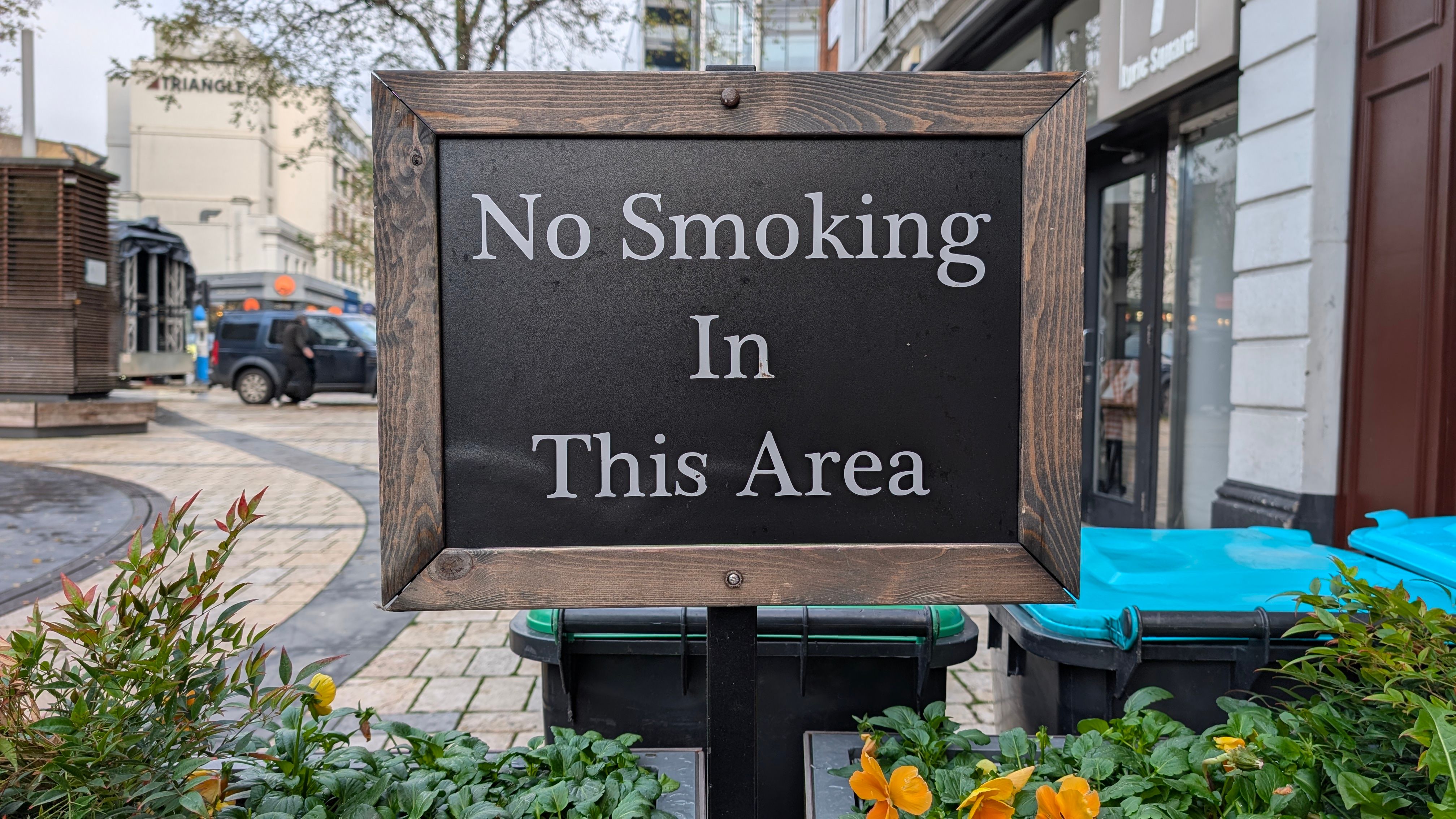
designated smoking area rules
fire risk
litter from cigarette butts
smoking near entrances, windows, stock, gas, fuel, or chemicals
professional appearance in customer-facing spaces
Vaping
Vaping may not involve smoke in the same way as cigarettes, but it can still create workplace issues such as:
indoor air concerns or discomfort for others
confusion about whether vaping is allowed indoors
hygiene and professional image concerns
distraction or misuse in customer-facing areas
uncertainty about how it fits into smoking rules
Alcohol and other impairing substances
Alcohol, illegal drugs, cannabis, and some medication are especially important because they may impair a worker’s ability to perform safely. The risk is not only whether a substance is legal or illegal. The key workplace question is whether the employee is fit for duty and able to work safely.
What “Fit for Duty” Means
A useful way to think about substance use in the workplace is through the concept of fitness for duty. A person is fit for duty when they are physically and mentally able to perform their work safely and properly.
An employee may be unfit for duty if they are:
intoxicated
drowsy or sedated
unable to concentrate properly
physically unsteady
behaving irrationally or unpredictably
unable to follow safe work procedures reliably
This could be caused by:
alcohol
illegal drugs
cannabis
misuse of medication
side effects of prescribed medication
extreme fatigue combined with substance use
any other substance that impairs judgement or performance
The important point is that workplace safety focuses on impairment and risk, not only on whether a substance is legal in society.
Why Smoking and Vaping Need Workplace Rules
Some employers avoid making rules about smoking or vaping because they do not want conflict with staff. In practice, the lack of rules often creates more conflict. Questions quickly arise such as:
Can employees smoke at the entrance?
Can someone vape inside a storeroom or office?
Are smoke breaks unlimited?
Can a driver smoke in a company vehicle?
What if customers complain about smoke near the front door?
Can staff smoke near flammable materials or gas cylinders?
A business does not need to ban smoking completely in every situation, but it does need a clear and practical position.
Fire Risk: A Major Safety Concern
Smoking and some vaping behaviours can create fire risks, especially in workplaces that store or use:
fuel
gas cylinders
flammable chemicals
packaging materials
dry stock and waste
solvents or aerosols
combustible rubbish
Smoking should never be allowed in areas where ignition could cause a fire or explosion. Employees also need a safe way to dispose of cigarette butts. Careless disposal into bins, dry grass, cardboard waste, or workshop rubbish can create a real hazard.
Customer Experience and Shared Workspaces
Even when smoking or vaping does not create a direct safety hazard, it may still affect the workplace environment. In a small business, customers may not want to walk through smoke at the entrance or smell vaping vapour in a reception area. In an office, co-workers may not want to work in a space where someone is vaping nearby. In a restaurant or food-related business, smoking and vaping controls are even more sensitive because of hygiene, image, and public expectations.
This is why businesses should think not only about the smoker or vaper, but also about the wider workplace and public-facing environment.
Alcohol and Drug Impairment: Where the Safety Risk Becomes Serious
The most serious substance-related workplace risk is usually impairment. A person who is under the influence may not recognise danger properly or may make unsafe choices. This is especially concerning where employees:
drive vehicles
operate machinery or power tools
work with electricity
work at height
handle weapons or security equipment
manage cash and customer conflict
prepare food
carry out technical or maintenance work
supervise others in hazardous areas
A small amount of poor judgement in these environments can lead to major harm.
Substance Use Outside Working Hours Can Still Affect Work
Some employers assume they can only act if an employee uses a substance at work. In reality, the problem may be the employee arriving at work still affected by something used outside working hours. For example:
an employee may still be impaired the morning after heavy drinking
a worker may use cannabis privately but arrive at work drowsy or unfocused
a prescribed medication may affect concentration or balance during the day
an employee may take strong pain medication and still try to drive or work at height
Again, the key question is not whether the activity happened privately. The key question is whether the employee is safe and fit to work.
Medication and Legitimate Medical Treatment
Not all substance-related concerns involve misconduct. Sometimes an employee is taking lawful medication for pain, anxiety, sleep, allergies, or another medical condition, and the medication causes drowsiness, dizziness, slower reactions, or poor concentration.
This can be sensitive, but it still matters for safety. Employees should understand that if medication may affect their ability to work safely, especially in high-risk roles, they should inform the employer or manager in an appropriate way so that work duties can be considered responsibly.
This does not mean the business needs every detail of the employee’s medical history. It means there should be a practical process for addressing safety concerns when medication may affect fitness for duty.
Practical Workplace Rules for Smoking and Vaping
A small business should have clear rules that answer the practical questions employees actually face. These may include:
1. Where smoking is allowed
If the business permits smoking, it should specify:
the designated smoking area if there is one
areas where smoking is strictly prohibited
whether smoking near entrances, loading areas, or customer spaces is allowed
how cigarette waste must be disposed of
2. Whether vaping is treated the same as smoking
To avoid confusion, the business should decide whether vaping follows the same location rules as smoking or whether separate rules apply.
3. Whether smoking or vaping is allowed in company vehicles
In many businesses, especially where vehicles carry multiple employees, customers, food, or equipment, it may be sensible to prohibit smoking and vaping in company vehicles.
4. Break rules
Employees should understand whether smoking or vaping is limited to normal breaks or whether other arrangements apply. Unclear break expectations can quickly become a management problem.
Practical Workplace Rules for Alcohol, Drugs, and Impairment
A good workplace rule should make it clear that employees must report to work fit for duty and must not work while impaired in a way that creates risk. Depending on the business, rules may address:
alcohol use during working hours
reporting to work under the influence
illegal drug use affecting work
impairment from cannabis or other substances
misuse of prescription or over-the-counter medication
the duty to disclose, in an appropriate way, when medication may affect safe work
the employer’s right to remove an employee from duty if they appear unfit for safe work
The wording should focus on safety, fitness for duty, and workplace risk, not only punishment.
What Managers Should Look For If They Suspect Impairment
Managers should be careful not to jump to conclusions, but they should know some common warning signs that an employee may be impaired or unfit for duty. These may include:
smell of alcohol or strong substance odour
slurred speech
unusual drowsiness
poor coordination or unsteady walking
glassy eyes or unusual behaviour
confusion or difficulty following instructions
sudden aggression or irrational behaviour
repeated mistakes in safety-critical tasks
One sign alone may not prove anything, but the business should not ignore obvious safety concerns.
Responding to a Suspected Impairment Situation
If an employee appears unfit for duty, the priority is safety. A practical response may include:
removing the employee from safety-critical work
making sure they do not drive or operate equipment
speaking to them privately and respectfully
involving a manager or another responsible person
recording what was observed factually
following the business’s policy or disciplinary process where relevant
arranging safe transport if needed rather than allowing the employee to drive
Managers should focus on observable behaviour and safety risk, not on humiliation or confrontation.
Training and Communication Matter
A workplace rule is not enough if nobody understands it. Employees should know:
where smoking and vaping are allowed or not allowed
why smoking near flammables or customer areas is a problem
that coming to work impaired is a serious safety issue
that medication side effects may need to be disclosed if they affect safe work
what the business means by “fit for duty”
how managers will respond if there are concerns
Clear communication reduces conflict and makes enforcement easier.
Common Mistakes Small Businesses Make
1. Having no clear rule at all
Without a clear rule, managers make decisions case by case, which leads to inconsistency and conflict.
2. Focusing only on smoking and ignoring impairment
The more serious safety risk is often alcohol, drugs, cannabis, or medication affecting fitness for duty.
3. Treating vaping as a “grey area” and leaving everyone to guess
This quickly causes confusion in offices, customer areas, and shared workspaces.
4. Allowing smoking near dangerous materials or entrances
This creates fire risk and can affect customers and other staff.
5. Ignoring obvious impairment because the employee is “usually reliable”
A reliable employee can still be unsafe on a particular day.
6. Humiliating employees instead of handling the issue professionally
Substance-related concerns should be managed firmly, but also fairly and respectfully.
Practical Examples
Example 1: Technician arrives smelling of alcohol
A field technician reports for duty smelling strongly of alcohol and is scheduled to drive to client sites. The business should not allow the employee to continue with driving or technical work until the situation has been addressed properly.
Example 2: Employee vaping in the reception area
A staff member regularly vapes near customers at the front desk because “it is not smoking.” The business should have a clear rule about whether vaping is allowed indoors or in customer-facing spaces and enforce it consistently.
Example 3: Warehouse employee taking strong pain medication
An employee is using medication after an injury and becomes drowsy while working around lifting equipment. The business should assess whether the person is fit for that task and whether temporary adjustments are needed.
Final Thoughts
Smoking, vaping, and substance use in the workplace can create more than just conduct problems. They can affect health and safety, fire prevention, customer experience, employee wellbeing, and the business’s ability to manage risk consistently. Smoking and vaping need practical location rules so that employees know where they are allowed and where they are not. Alcohol, drugs, cannabis, and medication need to be approached through the lens of fitness for duty, because the real safety issue is whether a person is able to work safely and responsibly.
For South African small businesses, the most effective approach is to set clear expectations before a problem arises. Employees should understand the smoking and vaping rules, know that impairment at work is unacceptable, and recognise that even lawful medication may need to be disclosed if it affects safe work. Managers should also know how to respond professionally when someone appears unfit for duty, focusing first on immediate safety rather than embarrassment or conflict.
A small business that manages these issues well creates a safer, more respectful, and more professional workplace. It protects not only the person using the substance, but also co-workers, customers, vehicles, equipment, and the long-term reputation of the business.
In the next article, we will look at young workers, temporary staff, and vulnerable employees, including why some workers need extra supervision, training, and protection in a small business environment.
Related Articles in the Occupational Health and Safety Series
Phase 1: Foundation and Legal Basics
OHS for Small Businesses - An Overview
OHS Act: What Every Small Business Needs to Know
How to Do a Health and Safety Risk Assessment
Creating a Simple OHS Policy and Assigning Responsibilities
Workplace Safety Training and Induction for Employees
First Aid Requirements and Emergency Preparedness
Personal Protective Equipment (PPE)
Incident Reporting and Investigating Workplace Accidents
Workplace Inspections and Safety Checklists
Phase 2: Practical Health and Safety Topics
Manual Handling and Lifting Safety
Electrical Safety in the Workplace
Workplace Ergonomics for Office Employees
Ladder Safety and Working at Height
Chemical Safety in the Workplace
Managing Contractors, Visitors, and Customers On Site
Vehicle, Driving, and Delivery Safety
Workplace Violence, Aggression, and Conflict
Smoking, Vaping, and Substance Use in the Workplace
Young Workers, Temporary Staff, and Vulnerable Employees
Heat, Sun, and Outdoor Work Safety
Rain, Storms, and Severe Weather Safety
Working in Clients' Homes and Customer Premises
AI Disclaimer
AI Tools were used to assist with research. Remember to always cross-check everything that you read.


