
OHS: Personal Protective Equipment (PPE): Choosing, Issuing, and Enforcing the Right Gear
Article #8 of #25 in the Occupational Health and Safety Series
Phase 1: Foundation and Legal Basics
Introduction
In many small businesses, personal protective equipment, usually called PPE, is one of the most visible parts of workplace safety. It is the hard hat on a construction site, the gloves in a workshop, the face mask used when handling dust or chemicals, the safety glasses worn while cutting or grinding, and the non-slip shoes used in kitchens and other wet work areas. Because PPE is easy to see, many employers treat it as the main solution to workplace safety problems. If employees have gloves, boots, masks, or goggles, the business may feel that it has “covered safety.”
The reality is more complex than that. PPE is important, but it is not the first or only line of defence against workplace hazards. It is one part of a wider safety system that should include risk assessments, safe work procedures, training, supervision, housekeeping, maintenance, and where possible the removal or reduction of hazards at the source. If a floor is dangerously slippery, giving employees boots does not remove the spill. If a machine is missing a guard, handing someone gloves does not make the machine safe. PPE plays a valuable role, but it works best when it supports other control measures rather than replacing them.
For South African small business owners, PPE is still a very practical and important topic because many businesses operate in environments where employees are exposed to hazards that cannot be removed completely. A technician may still need eye protection while drilling. A cleaner may still need gloves when handling chemicals. A kitchen worker may need non-slip shoes and protective clothing. A warehouse employee may need safety boots when moving heavy stock. A salon worker may need gloves and aprons when using certain products. In these situations, the employer must think carefully about what PPE is needed, how it should be selected, how it should be issued, how employees should be trained to use it, and how the business will enforce its use properly.
PPE is also an area where small businesses often make avoidable mistakes. Some buy the cheapest gear available without checking whether it is suitable for the actual hazard. Some issue PPE once and never replace it when it becomes worn or damaged. Some fail to train employees on how to wear or maintain it. Others become frustrated because employees do not use their PPE consistently, without realising that the gear may be uncomfortable, inappropriate, badly fitted, or poorly explained.
In this article, we will look at what PPE is, when it is needed, how to choose the right equipment, how to issue and manage it properly, how to train employees, and how to enforce PPE rules in a practical and fair way.
What Is PPE?
Personal protective equipment (PPE) is equipment or clothing worn by an employee to reduce exposure to workplace hazards that could cause injury or illness.
PPE can protect different parts of the body depending on the risk involved. Common examples include:
safety boots or protective footwear
gloves
hard hats
safety glasses or goggles
face shields
dust masks or respirators
hearing protection such as ear plugs or ear muffs
high-visibility clothing
aprons, overalls, or protective clothing
hair coverings or protective caps where relevant
fall protection equipment in specific higher-risk work environments
The purpose of PPE is to provide a barrier between the worker and the hazard. For example:
gloves may help protect hands from cuts, chemicals, heat, or contamination
safety glasses may help protect the eyes from flying particles, dust, sparks, or splashes
hearing protection may help reduce the impact of excessive noise
safety boots may help protect feet from falling objects, sharp items, slippery surfaces, or hot spills
masks or respirators may help protect against certain dusts, fumes, or airborne particles
However, PPE only works properly when it is suitable for the hazard, in good condition, worn correctly, and supported by proper training and supervision.
PPE Is Important — But It Is Not the First Control Measure
One of the most important things for small business owners to understand is that PPE should not be the first answer to every hazard. In health and safety management, the best approach is usually to control the hazard as close to the source as possible before relying on PPE.
For example:
if a floor is wet, the first control is to clean the spill and prevent it from happening again, not simply tell employees to wear better shoes
if a machine throws debris because of a missing guard, the first control is to repair or replace the guard
if an electrical cord is damaged, the first control is to remove and repair the equipment, not issue thicker gloves
if chemical fumes are building up, the business should also look at ventilation, storage, handling methods, and product choice
PPE becomes especially important when:
the hazard cannot be removed completely
there is still some remaining risk after other controls have been put in place
employees are doing tasks that create short-term exposure to a hazard
the work environment changes from site to site, as in field-service or installation work
This means PPE should be based on the risk assessment, not on guesswork or habit.
Why PPE Matters in Small Businesses
PPE is relevant in many different kinds of small businesses, not only in construction or heavy industry. Even where the overall risk level is moderate, certain tasks can still create exposure that needs to be controlled.
1. It helps reduce injuries and occupational illness
PPE can help reduce the seriousness of exposure to hazards such as:
cuts and abrasions
chemical splashes
burns
eye injuries from dust, sparks, or particles
respiratory irritation from dust or fumes
hearing damage from noisy equipment
foot injuries from dropped tools, stock, or slippery floors
2. It supports safe work where hazards cannot be fully removed
Some work tasks will still involve risk even after other controls are in place. PPE can help reduce that remaining risk to a more manageable level.
3. It forms part of employer health and safety responsibilities
Employers have a duty to take reasonable steps to protect employees. Where PPE is needed, the business must treat it seriously and not as an afterthought.
4. It can improve professionalism and consistency
When PPE rules are clear, employees know what is expected, supervisors can manage safety more consistently, and the workplace often becomes more organised overall.
When Does a Small Business Need PPE?
A small business should not issue PPE randomly. It should first look at its risk assessment and ask which hazards expose employees to injury or illness, and whether those hazards can be controlled in other ways. If there is still a risk that requires personal protection, PPE may be needed.
Below are common situations where PPE may be relevant.
Workshop, technical, and installation work
Employees may need:
safety boots
gloves
eye protection
hearing protection
hard hats in some environments
dust masks or respirators where dust or particles are present
high-visibility clothing depending on the site
Cleaning work
Employees may need:
gloves
aprons
eye protection depending on the chemicals used
masks where dust or chemical fumes are an issue
Catering and food businesses
Employees may need:
non-slip footwear
aprons
gloves in some tasks
hair coverings where relevant
heat-resistant protection in some kitchen environments
Retail and warehousing
Employees may need:
safety footwear where heavy stock is handled
gloves for certain manual handling tasks
high-visibility clothing in loading areas or yards
Salon, beauty, and treatment businesses
Employees may need:
gloves
aprons
masks where dust, fumes, or chemical exposure is possible
eye protection for specific treatments or products in some environments
Construction and maintenance-related work
Employees may need:
hard hats
safety boots
gloves
eye protection
hearing protection
respiratory protection
fall protection equipment in relevant situations
high-visibility clothing
The key point is that the PPE must match the actual hazard and the actual task.
Choosing the Right PPE
Selecting PPE is one of the most important steps. Poor selection can create a false sense of safety, frustrate employees, and leave the business exposed if an incident occurs.
1. Start with the hazard, not the product catalogue
The first question is not “What PPE can we buy?” but rather:
What is the hazard?
Which part of the body is exposed?
How severe is the risk?
How often does the employee do this task?
Is the exposure short-term, regular, or constant?
Are there environmental factors such as heat, moisture, dust, chemicals, noise, or movement?
For example:
if the main risk is a chemical splash to the eyes, the focus should be on appropriate eye protection
if the main risk is heavy items falling on feet, safety footwear becomes a priority
if the task creates dust or airborne particles, respiratory protection may need to be considered
if employees work in wet and greasy areas, slip-resistant footwear may be more important than heavy-duty boots
2. Make sure the PPE is suitable for the specific hazard
Not all gloves, masks, boots, or goggles offer the same level or type of protection. A glove that protects against dirt may not protect against chemicals. A simple dust mask may not be suitable for a particular fine dust, spray, or fume. A lightweight shoe may not protect against impact or puncture hazards.
This is why it is dangerous to buy PPE based only on price or appearance.
3. Consider comfort and practicality
If PPE is uncomfortable, too hot, too heavy, or badly designed for the task, employees are less likely to wear it consistently. This does not mean the business should ignore PPE rules, but it does mean the employer should choose equipment that is realistic for the work environment where possible.
Questions to consider include:
Does it fit properly?
Can the employee still do the job safely while wearing it?
Will it cause unnecessary discomfort in hot environments?
Does it interfere with vision, movement, or communication?
Is it suitable for the length of time it must be worn?
4. Make sure different items work together
Sometimes employees need more than one type of PPE at the same time. For example, a worker may need safety glasses, a mask, gloves, and hearing protection. These items should not interfere with one another. PPE selection should take the full task into account.
5. Think about the workplace, not only the task
The same task may require different PPE in different environments. A technician working indoors in a clean office ceiling space may not need exactly the same gear as a technician drilling outside on a construction-related site or in a dusty industrial environment.
Issuing PPE Properly
Buying PPE is only one part of the process. The business also needs a practical system for issuing, recording, replacing, and controlling the equipment.
1. Decide who receives what PPE
Employees should be issued PPE based on the work they actually do, not on a random one-size-fits-all approach. Different roles may require different gear.
2. Keep a record of PPE issued
A simple PPE issue register can help the business track:
employee name
job role
PPE issued
date issued
size where relevant
replacement date if applicable
employee acknowledgement or signature
This does not need to be complicated, but it helps show that the business is managing PPE properly.
3. Replace damaged or worn PPE promptly
PPE should not remain in use once it is damaged, broken, badly worn, contaminated, or no longer effective. A cracked face shield, torn gloves, worn-out safety boots, or a damaged hard hat may no longer provide proper protection.
4. Store PPE properly
Some PPE becomes damaged if it is left in dirty, wet, or unsuitable conditions. Employees should know where to keep it and how to look after it.
Training Employees on PPE
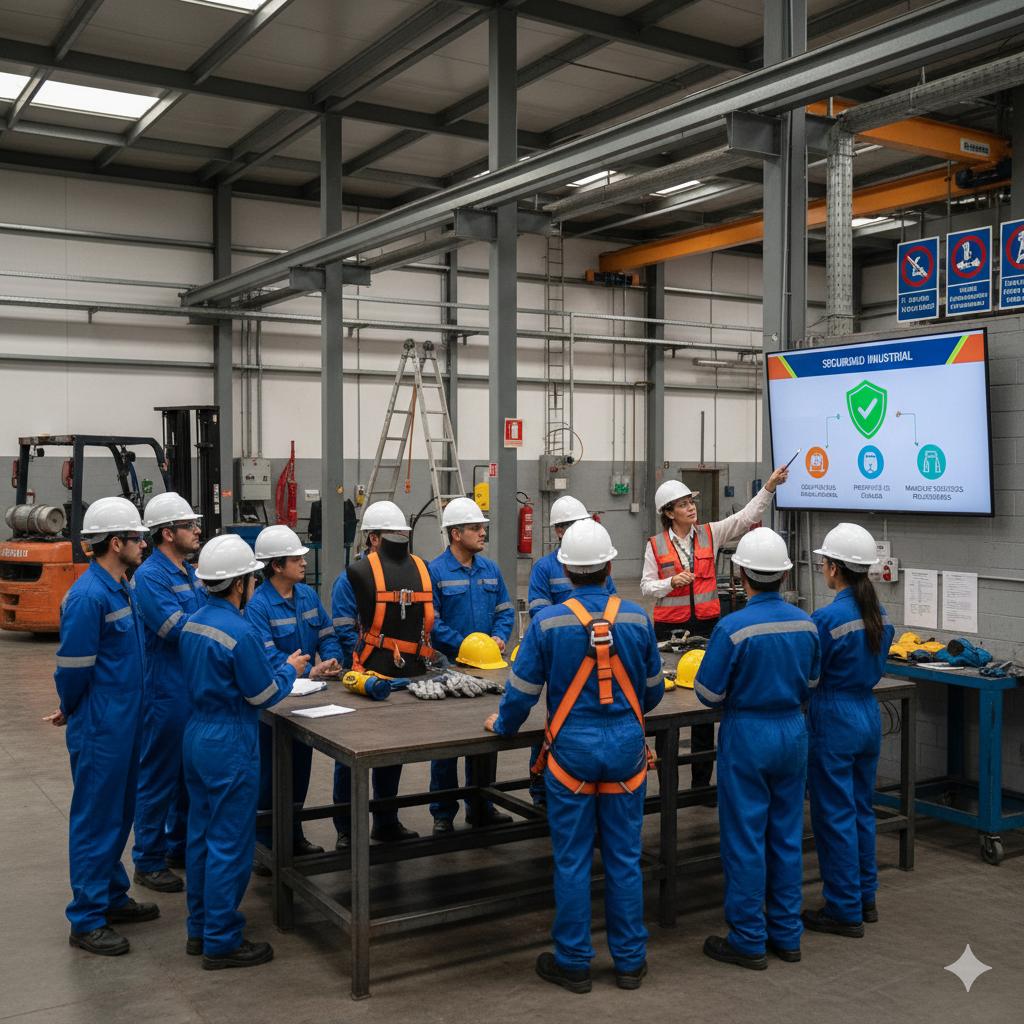
One of the most common mistakes in small businesses is to hand over PPE without properly explaining it. Employees should not just be given equipment; they should be told:
why it is needed
what hazard it protects against
when it must be worn
how to put it on, adjust it, or use it correctly
what its limits are
how to clean, store, or maintain it where relevant
how to report damage, defects, or missing items
For example, it is not enough to say, “Wear this mask.” The employee should understand:
what exposure the mask is for
whether it is suitable for the task
whether it must fit tightly
when it should be replaced
when other controls must also be used
Training should form part of induction and task-specific safety training.
Enforcing PPE Use: Turning Rules into Daily Practice
PPE only protects employees if they actually wear it when required. This is where many businesses struggle. Owners and supervisors may issue the right gear, but employees remove it, forget it, wear it incorrectly, or use it only when they know a manager is watching.
Enforcement is therefore an important part of PPE management, but it should be done in a practical and fair way.
1. Set clear rules
Employees should know:
which PPE is required for which tasks or areas
when it must be worn
where it can be collected or stored
who to report to if it is damaged or uncomfortable
2. Explain the reason behind the rule
People are more likely to follow PPE rules if they understand the risk. Saying “wear your safety glasses” is less effective than explaining that drilling overhead can send particles into the eyes and cause permanent injury.
3. Lead by example
If supervisors, managers, or owners ignore PPE rules while expecting employees to follow them, enforcement becomes weak immediately. Leadership behaviour matters.
4. Deal with non-compliance early
If an employee repeatedly refuses to wear required PPE, the matter should not be ignored. Start by finding out why:
Is the gear uncomfortable?
Is the wrong size being issued?
Does the employee not understand the risk?
Is the task changing in a way that affects the PPE requirement?
Is supervision too weak?
Once the reason is understood, the business can correct the issue. Where an employee simply refuses to follow a clear safety rule without good reason, the matter may need to be handled through the normal disciplinary process.
5. Check PPE use during normal supervision
Supervisors should make PPE checks part of daily workplace observation rather than waiting for a formal inspection.
Common PPE Mistakes Small Businesses Make
1. Using PPE as the only safety control
PPE is important, but it should not replace safer equipment, maintenance, housekeeping, ventilation, guarding, or safe work procedures.
2. Buying the cheapest gear without checking suitability
Low-cost PPE that does not match the hazard may offer very little real protection.
3. Issuing one type of PPE for every task
Different jobs and different risks need different protective gear.
4. Failing to replace worn or damaged items
Old or damaged PPE can create a false sense of safety.
5. Not training employees on how to use PPE
If employees do not understand why PPE is needed or how to wear it correctly, compliance will suffer.
6. Ignoring employee feedback about fit or comfort
Not every complaint is an excuse. Sometimes poor fit or discomfort is a real barrier to proper use.
7. Not enforcing PPE rules consistently
If some employees are allowed to ignore PPE rules while others are expected to comply, the safety culture weakens very quickly.
Practical PPE Examples for Different Small Businesses
Small electrical, CCTV, or technical services business
Possible PPE may include:
safety boots
eye protection when drilling or cutting
gloves for certain tasks
dust masks where drilling creates dust
high-visibility clothing when working in public or vehicle areas
hard hats if entering certain construction or industrial sites
Small catering business or restaurant
Possible PPE may include:
non-slip shoes
aprons
gloves for cleaning tasks or selected food-handling tasks where appropriate
heat-resistant protection for certain cooking tasks
hair coverings where relevant
Small cleaning business
Possible PPE may include:
gloves
aprons
eye protection for some chemicals
masks where dust or strong products are involved
suitable footwear
Retail store with stockroom
Possible PPE may include:
safety footwear if heavy stock is handled
gloves for selected handling tasks
high-visibility clothing in loading or delivery areas if relevant
Salon or beauty business
Possible PPE may include:
gloves
aprons
masks for dust, filing products, or chemical fumes where needed
eye protection for specific procedures if relevant
Final Thoughts
Personal protective equipment is an important part of workplace health and safety, but it only works well when it is chosen properly, issued correctly, explained clearly, and enforced consistently. For small business owners, PPE should never be treated as a box-ticking exercise or a quick fix for every workplace hazard. It should be part of a broader safety system built on risk assessment, sensible control measures, employee training, and day-to-day supervision.
The best PPE arrangements start with a simple question: What hazards do our employees face, and what protection is genuinely needed for the work they do? Once that question is answered properly, the business can choose suitable gear, issue it to the right employees, replace it when needed, and train staff to use it correctly. From there, supervisors and owners must reinforce the rules and deal with non-compliance before unsafe habits become normal.
For South African small businesses, this practical approach can make a major difference. The right gloves, boots, eye protection, masks, or hearing protection may seem like small items, but when matched to the real risks of the workplace, they can help prevent serious injuries and support a much stronger safety culture. PPE is not the whole answer to workplace safety, but in the right place, for the right task, and used in the right way, it is a very valuable part of the solution.
In the next article, we will move into another important area of occupational health and safety for small businesses: incident reporting and investigating workplace accidents and near misses, including what should be reported, why investigations matter, and how small business owners can learn from incidents before they happen again.
Related Articles in the Occupational Health and Safety Series
Phase 1: Foundation and Legal Basics
OHS for Small Businesses - An Overview
OHS Act: What Every Small Business Needs to Know
How to Do a Health and Safety Risk Assessment
Creating a Simple OHS Policy and Assigning Responsibilities
Workplace Safety Training and Induction for Employees
First Aid Requirements and Emergency Preparedness
Personal Protective Equipment (PPE)
Incident Reporting and Investigating Workplace Accidents
Workplace Inspections and Safety Checklists
Phase 2: Practical Health and Safety Topics
Manual Handling and Lifting Safety
Electrical Safety in the Workplace
Workplace Ergonomics for Office Employees
Ladder Safety and Working at Height
Chemical Safety in the Workplace
Managing Contractors, Visitors, and Customers On Site
Vehicle, Driving, and Delivery Safety
Workplace Violence, Aggression, and Conflict
Smoking, Vaping, and Substance Use in the Workplace
Young Workers, Temporary Staff, and Vulnerable Employees
Heat, Sun, and Outdoor Work Safety
Rain, Storms, and Severe Weather Safety
Working in Clients' Homes and Customer Premises
AI Disclaimer
AI Tools were used to assist with research. Remember to always cross-check everything that you read.


