Sales Funnel: Understanding the Customer Journey from Interest to Purchase
Article #12 of #15 in the Sales and Marketing Series
Introduction
Many business owners believe that customers discover a business and immediately make a purchase.
In reality, most customers go through a process before deciding to buy.
They may first become aware of a problem, then research possible solutions, compare suppliers, ask questions, and only then make a purchasing decision.
This process is commonly known as the sales funnel.
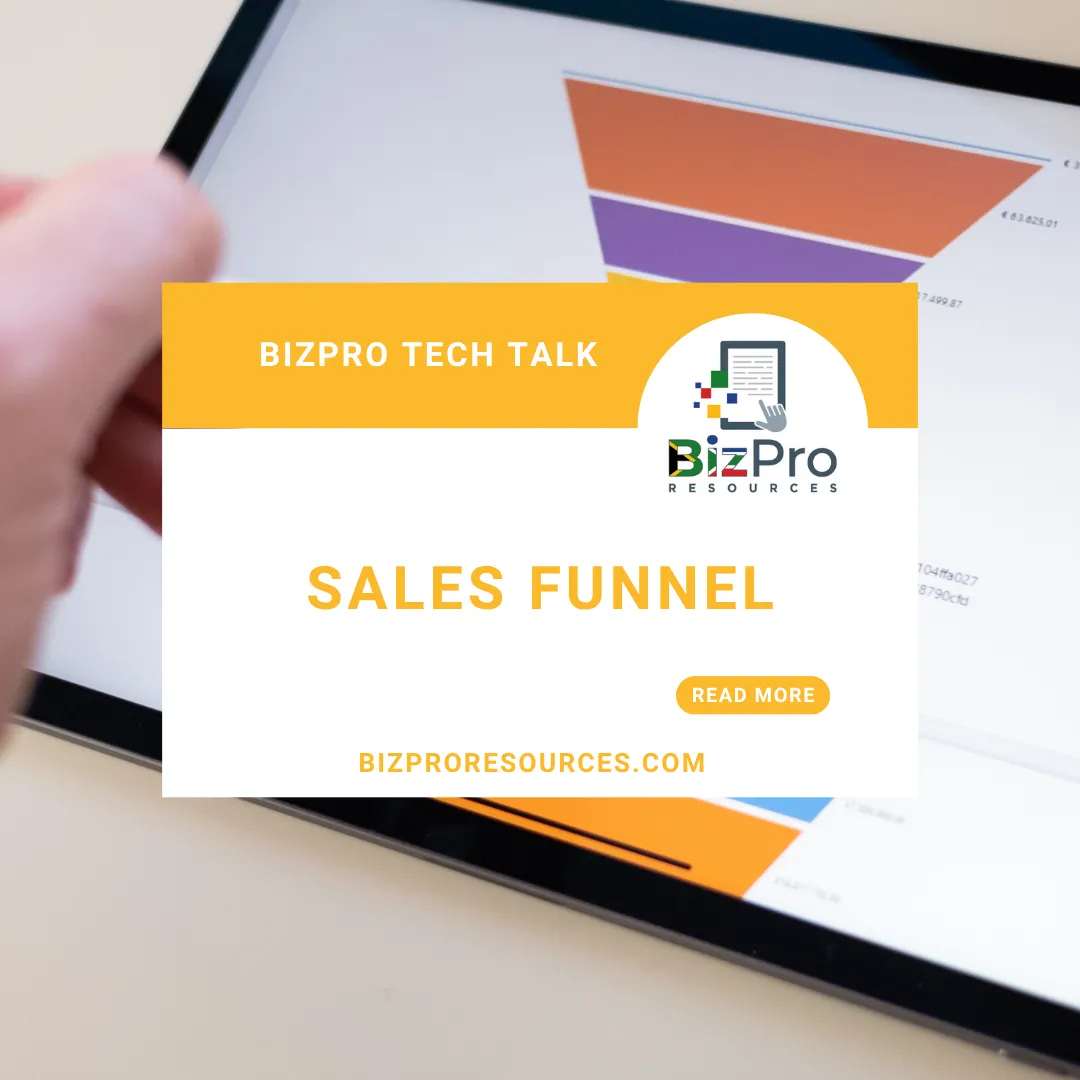
A sales funnel is a model that helps businesses understand how potential customers move from initial awareness to becoming paying customers.
The term "funnel" is used because large numbers of people may enter at the top, but only a smaller number eventually become customers at the bottom.
For example:
1,000 people may see an advertisement.
100 may visit a website.
20 may request a quotation.
5 may become customers.
Understanding this process helps business owners improve their marketing and sales efforts.
Rather than focusing only on making sales, a sales funnel helps businesses understand how customers make decisions and where improvements can be made.
The sales funnel is one of the most important concepts in sales and marketing because it provides a structured way to attract prospects, build trust, address concerns, and guide customers toward a purchase.
Whether you run a security company, accounting firm, plumbing business, electrical contractor, medical practice, retail store, or consulting business, understanding the sales funnel can help improve customer acquisition and business growth.
In this article, we will explore what a sales funnel is, how it works, the different stages of the funnel, common mistakes businesses make, and how small business owners can use sales funnels more effectively.
What Is a Sales Funnel?
A sales funnel is a visual representation of the customer buying journey. It shows how people move through different stages before making a purchase.
The funnel concept helps businesses answer important questions such as:
How do customers find us?
What influences purchasing decisions?
Why do some prospects buy while others do not?
Where are opportunities being lost?
A sales funnel helps businesses understand customer behaviour and improve the effectiveness of both marketing and sales activities.
Rather than viewing sales as a single event, the sales funnel views sales as a process.
Why the Sales Funnel Matters
Many businesses focus only on the final sale. However, customers often make numerous decisions before reaching that point.
Understanding the sales funnel helps businesses:
Improve customer acquisition
Increase conversions
Build trust
Identify weaknesses
Improve marketing performance
Create better customer experiences
Without understanding the funnel, businesses may struggle to identify why sales opportunities are being lost.
The sales funnel provides visibility into the entire customer journey.
The Basic Stages of a Sales Funnel
While sales funnels can vary between industries, most follow a similar structure.
The four most common stages are:
Awareness
Interest
Consideration
Decision
Let us examine each stage in more detail.
Stage 1: Awareness
Awareness is the top of the sales funnel. This is where potential customers first discover your business. At this stage, customers may not know much about your company.
They may simply realise they have a problem that needs solving.
Examples include:
A homeowner wants better security.
A business owner needs accounting assistance.
A customer requires plumbing repairs.
A company wants improved IT support.
Customers become aware of businesses through:
Social media
Search engines
Referrals
Networking
Advertising
Online directories
Community involvement
The primary goal at this stage is visibility. Customers cannot buy from businesses they do not know exist.
Stage 2: Interest
Once customers become aware of your business, some will develop interest. At this stage, they begin learning more about possible solutions.
They may:
Visit your website
Read reviews
Follow your social media pages
Watch videos
Read blog articles
Request information
The goal during the interest stage is education.
Customers want answers to questions such as:
Can this business help me?
Do they understand my problem?
Are they trustworthy?
Businesses that provide useful information often perform well at this stage.
Stage 3: Consideration
The consideration stage occurs when customers begin comparing options.
They may evaluate:
Different suppliers
Pricing structures
Customer reviews
Service quality
Reputation
Experience
At this point, customers are actively considering a purchase. Many businesses compete for their attention.
Businesses can strengthen their position by providing:
Case studies
Testimonials
Demonstrations
Consultations
Quotations
Helpful advice
Trust becomes increasingly important during this stage. Customers want reassurance that they are making the right decision.
Stage 4: Decision
The decision stage is where the customer chooses whether to buy. Factors influencing the decision may include:
Price
Value
Trust
Reputation
Convenience
Customer service
Responsiveness
Many business owners mistakenly assume price is the primary factor. While pricing matters, customers often consider several factors before making a final decision.
Businesses that provide excellent customer experiences often improve their chances of success.
What Happens After the Sale?
Many sales funnel models stop at the purchase stage. However, smart businesses understand that the customer journey continues.
After the sale, businesses should focus on:
Customer satisfaction
Follow-up communication
Customer retention
Repeat business
Referrals
Satisfied customers often become advocates who help attract new customers.
This creates a powerful cycle of growth.
Why Customers Leave the Funnel
Not everyone who enters the funnel becomes a customer. This is normal.
Customers may leave the funnel because:
They choose a competitor.
They delay the purchase.
They lack budget.
They no longer need the solution.
They lose interest.
They encounter a poor customer experience.
The goal is not to convert every prospect.
The goal is to improve the percentage of prospects who move successfully through the funnel.
Understanding Funnel Leakage
Funnel leakage occurs when prospects drop out at various stages.
For example:
Many people visit a website but never enquire.
Many enquiries never request quotations.
Many quotations never become sales.
By identifying where prospects leave the funnel, businesses can improve performance.
Questions to ask include:
Is the website clear?
Are enquiries handled quickly?
Are quotations competitive?
Is communication effective?
Small improvements can produce significant results.
The Role of Marketing in the Sales Funnel
Marketing primarily supports the upper sections of the funnel.
Marketing activities help:
Create awareness
Generate interest
Build trust
Educate prospects
Examples include:
Social media content
Search engine optimisation
Blog articles
Advertising
Email marketing
Good marketing helps move people into and through the funnel.
The Role of Sales in the Sales Funnel
Sales activities often become more important during the lower stages of the funnel.
Sales professionals help:
Answer questions
Address concerns
Provide quotations
Demonstrate value
Guide decision-making
Effective sales processes help prospects move from consideration to purchase.
Marketing and sales work best when they support one another.
Sales Funnels for Service Businesses
Service-based businesses often have unique sales funnels.
For example:
Security Company Funnel
Awareness:
Customer searches for security solutions.
Interest:
Customer visits website and reads content.
Consideration:
Customer requests a site assessment.
Decision:
Customer accepts quotation.
Purchase:
Installation is completed.
Accounting Firm Funnel
Awareness:
Business owner seeks accounting assistance.
Interest:
Reads blog content and reviews.
Consideration:
Schedules consultation.
Decision:
Chooses service package.
Purchase:
Signs service agreement.
Understanding the funnel helps service businesses improve customer experiences.
Sales Funnels for Product Businesses
Product-based businesses also use funnels.
For example:
Awareness:
Customer sees an advertisement.
Interest:
Visits product page.
Consideration:
Compares products.
Decision:
Adds product to cart.
Purchase:
Completes transaction.
Even simple purchases often involve multiple steps.
Building Trust Throughout the Funnel
Trust influences every stage of the funnel.
Businesses build trust through:
Professional branding
Positive reviews
Helpful content
Clear communication
Consistent service
Testimonials
Case studies
The more trust customers have, the more likely they are to progress through the funnel.
Trust often becomes a competitive advantage.
Common Sales Funnel Mistakes
Mistake 1: Focusing Only on Closing Sales
Businesses should pay attention to the entire customer journey.
Mistake 2: Ignoring Awareness Activities
Without visibility, few prospects enter the funnel.
Mistake 3: Poor Follow-Up
Slow responses often result in lost opportunities.
Mistake 4: Lack of Customer Education
Customers need information to make informed decisions.
Mistake 5: Assuming Price Is Everything
Customers often consider multiple factors.
Mistake 6: Not Measuring Funnel Performance
Without measurement, improvement becomes difficult.
Measuring Sales Funnel Performance
Businesses should regularly evaluate funnel performance.
Useful measurements include:
Website Visitors
How many people enter the funnel?
Leads Generated
How many prospects show interest?
Quotations Issued
How many prospects move to consideration?
Sales Completed
How many customers make purchases?
Conversion Rates
What percentage progresses from one stage to the next?
These measurements help identify strengths and weaknesses.
Improving Your Sales Funnel
Small improvements throughout the funnel can produce significant results.
Examples include:
Improve Visibility
Invest in marketing and awareness activities.
Improve Website Quality
Provide useful information and clear calls to action.
Improve Response Times
Respond quickly to enquiries.
Improve Quotations
Make quotations professional and easy to understand.
Improve Follow-Up
Maintain communication with prospects.
Improve Customer Experience
Deliver exceptional service.
Incremental improvements often lead to meaningful growth.
Real-World Example
Imagine two electrical contractors.
Contractor A
Has no clear customer journey.
Responds slowly to enquiries.
Rarely follows up on quotations.
Contractor B
Uses a structured sales funnel.
Responds quickly.
Provides useful information.
Follows up professionally.
Over time, Contractor B converts a larger percentage of prospects into customers.
Both contractors may generate similar numbers of leads, but the stronger funnel produces better results.
This demonstrates the practical value of understanding and managing a sales funnel.
The Sales Funnel and Business Growth
The sales funnel provides a framework for sustainable growth.
Rather than relying on luck, businesses can systematically:
Attract prospects
Build trust
Generate leads
Convert customers
Increase revenue
The funnel helps transform sales into a predictable process.
Businesses that understand and improve their funnels often achieve more consistent growth over time.
Conclusion
A sales funnel is one of the most valuable tools available to business owners because it provides a clear picture of how customers move from initial awareness to making a purchase. Instead of viewing sales as a single event, the sales funnel helps businesses understand the entire customer journey and identify opportunities to improve marketing, communication, customer experience, and sales performance.
Understanding the sales funnel allows businesses to attract more prospects, build trust more effectively, address customer concerns, and improve conversion outcomes. It also helps business owners identify where opportunities are being lost and where improvements can have the greatest impact. Small changes at different stages of the funnel can often produce significant increases in sales and business growth.
As a business owner, developing a decent understanding of a Sales Funnel is essential. It helps you make better marketing decisions, improve customer acquisition efforts, increase sales effectiveness, and create a more predictable path to business growth. The businesses that understand their customer journey are often better positioned to attract, convert, and retain customers successfully.
In the next article in this series, we will explore Conversion Rate, where you will learn how to measure the effectiveness of your sales and marketing activities and improve the percentage of prospects who become paying customers..
Related Articles in the Sales and Marketing Series
Sales and Marketing: The Tools Every Small Business Owner Should Know
Target Market: Why Knowing Your Ideal Customer Is Essential for Business Growth
Market Research: Making Better Business Decisions Through Better Information
Unique Value Proposition: Giving Customers a Clear Reason to Choose Your Business
Branding: Building a Business That Customers Remember and Trust
Pricing Strategy: How to Set Prices That Support Profit and Growth
Elevator Pitch: How to Explain Your Business Clearly and Confidently
Networking: Building Relationships That Help Your Business Grow
Digital Marketing Basics: Using Online Channels to Grow Your Business
Social Media for Small Business: Building Visibility, Trust, and Customer Relationships
Customer Acquisition: How to Attract New Customers and Grow Your Business
Sales Funnel: Understanding the Customer Journey from Interest to Purchase
Conversion Rate: Turning More Prospects into Paying Customers
Customer Retention: Keeping Customers, Building Loyalty, and Growing Your Business
AI Disclaimer
AI Tools were used to assist with research. Remember to always cross-check everything that you read.


