
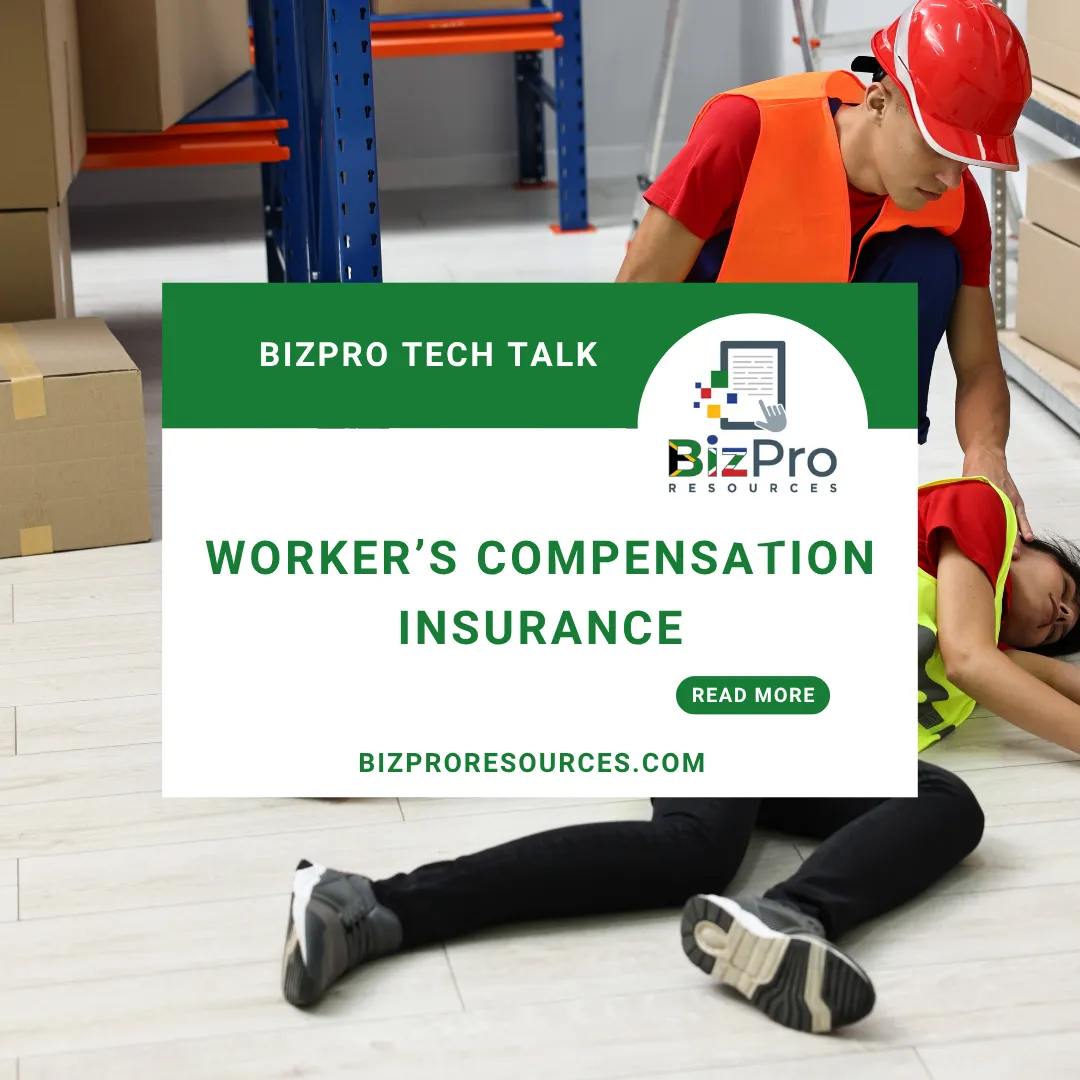
Business Insurance: Worker’s Compensation Insurance (COIDA) for Small Businesses
Article #4 of #10 in the Business Insurance Series
Introduction
When you employ people, you take on more than just the responsibility of paying salaries—you also become responsible for their safety and wellbeing at work. Accidents and illnesses can happen in any workplace, whether it is an office, a workshop, or a construction site. Worker’s Compensation Insurance exists to protect both the employee and the employer when these situations occur.
In South Africa, this type of cover is not optional. It is regulated by law and managed through the Compensation Fund under the Compensation for Occupational Injuries and Diseases Act (COIDA). Understanding how this system works is essential for every business owner.
What Is Worker’s Compensation Insurance?
Worker’s Compensation Insurance is a system that provides financial support to employees who are injured, become ill, or die as a result of their work. It also protects employers from direct legal claims related to workplace injuries.
In South Africa, employers must register with the Compensation Fund and contribute annually. These contributions are used to cover claims made by employees.
In simple terms:
Employees are protected if something goes wrong at work
Employers are protected from paying large compensation costs directly
Why Worker’s Compensation Is Important
Worker’s Compensation Insurance is important for several reasons:
It Protects Your Employees
Your employees are one of your most valuable assets. If they are injured or become ill due to their work, they need support. This insurance helps cover:
Medical expenses
Loss of income
Disability benefits
Death benefits for families
It Protects Your Business
Without Worker’s Compensation, your business could be held responsible for paying all costs related to workplace injuries. These costs can be extremely high and may include legal claims.
By being registered and compliant, you reduce your financial risk and protect your business from lawsuits.
It Is a Legal Requirement
In South Africa, most employers are legally required to register with the Compensation Fund under COIDA. Failure to comply can result in:
Fines and penalties
Legal action
Business disruption
Compliance is not optional—it is part of running a lawful business.
Who Must Register?
Almost all businesses that employ one or more workers must register with the Compensation Fund. This includes:
Small businesses
Medium and large companies
Contractors and subcontractors
Domestic employers (in most cases)
Even if you only have one employee, you are required to register.
What Does Worker’s Compensation Cover?
Worker’s Compensation covers a wide range of workplace-related incidents. These include:
Workplace Injuries
If an employee is injured while performing their job, they are covered.
Example: A technician falls from a ladder while installing equipment and breaks a leg.
Occupational Diseases
Some jobs expose employees to risks that can cause illness over time.
Example:
Exposure to chemicals
Dust-related lung diseases
Hearing loss from noisy environments
Temporary Disability
If an employee cannot work for a period of time due to injury or illness, they may receive compensation for lost income.
Permanent Disability
If an injury leads to permanent damage, the employee may receive long-term compensation.
Death Benefits
If an employee dies due to a workplace incident, their dependants may receive financial support.
What Is Not Covered?
Worker’s Compensation does not cover every situation. Common exclusions include:
Injuries that happen outside of work
Self-inflicted injuries
Injuries caused by intoxication (alcohol or drugs)
Misconduct or illegal activities
It is important to understand these limitations.
How the Compensation Fund Works
The Compensation Fund operates as a central system:
Employers register their business
Employers submit annual earnings reports
Employers pay annual assessments (fees)
Employees can claim if injured or ill due to work
The amount you pay depends on:
Your industry risk level
Your total employee earnings
Higher-risk industries (like construction) usually pay higher rates.
Employer Responsibilities
As a business owner, you have several responsibilities under COIDA:
Register with the Compensation Fund
You must register your business as soon as you hire employees.
Submit Annual Returns
Each year, you must declare your total employee earnings.
Pay Assessments
You must pay the required fees on time.
Report Incidents
If an employee is injured or becomes ill due to work, you must report it within the required time.
Keep Records
You must keep records of:
Employee details
Salaries
Workplace incidents
Employee Rights
Employees also have rights under Worker’s Compensation:
The right to claim for workplace injuries or illness
The right to medical treatment
The right to compensation for lost income
Protection from unfair dismissal after an injury
Employers must respect these rights and follow proper procedures.
Real-Life Example
Imagine you run a small electrical business. One of your technicians gets shocked while working on a client’s premises and needs medical treatment.
If you are registered and compliant:
Medical costs are covered
The employee receives compensation if unable to work
Your business avoids direct financial burden
If you are not compliant:
You may have to pay all costs yourself
You could face legal action and fines
Your business reputation may suffer
Common Mistakes to Avoid
Many small business owners make these mistakes:
Not registering with the Compensation Fund
Underreporting employee earnings
Missing payment deadlines
Not reporting injuries properly
Assuming small businesses are exempt
These mistakes can lead to serious penalties.
Benefits of Compliance
Being compliant with Worker’s Compensation requirements offers many advantages:
Protects your employees
Reduces financial risk
Ensures legal compliance
Builds trust with staff
Improves your business reputation
Compliance shows that you care about your employees and run a professional business.
Worker’s Compensation vs Other Insurance
It is important to understand how Worker’s Compensation differs from other insurance:
Covers employees (not customers or third parties)
Is legally required
Is managed through a government fund
It works alongside other types of insurance, such as:
General Liability Insurance
Commercial Property Insurance
Each type covers different risks.
Practical Tips for Small Business Owners
Here are some simple steps to stay compliant and protected:
Register your business immediately when hiring staff
Keep accurate payroll records
Submit your returns on time
Pay your assessments promptly
Create a safe working environment
Train employees on safety procedures
Prevention is always better than dealing with accidents later.
Creating a Safer Workplace
While insurance is important, reducing risk is even better. You can improve safety by:
Providing proper training
Using protective equipment (PPE)
Maintaining tools and equipment
Following safety regulations
Conducting regular inspections
A safer workplace means fewer injuries and fewer claims.
Conclusion
Worker’s Compensation Insurance is not just another business expense—it is a legal requirement and an essential part of protecting both your employees and your business. Workplace injuries and illnesses can happen at any time, and without proper cover, the financial and legal consequences can be severe.
As a business owner in South Africa, it is your responsibility to understand COIDA, register with the Compensation Fund, and remain compliant at all times. Doing so ensures that your employees are protected and that your business can continue operating without unnecessary risk.
In the next article, we will explore Professional Liability Insurance (Errors & Omissions), which focuses on protecting your business against claims related to mistakes, negligence, or poor service delivery.
Related Articles in the Business Insurance Series
An Overview for Small Businesses
General Liability Insurance for Small Businesses
Worker's Compensation Insurance (COIDA)
Professional Liability Insurance for Small Businesses
Business Interruption Insurance for Small Businesses
Commercial Auto Insurance - Including Goods in Transit
Cyber Liability Insurance for Small Businesses
Product Liability Insurance for Small Businesses
Industry-Specific Business Insurance for Small Businesses
AI Disclaimer
AI Tools were used to assist with research. Remember to always cross-check everything that you read.


